


Before the global contracts, giant stages and headlines, there was simply a basement in Johannesburg, D’banj making music, a nineteen-year-old Davido dreaming impossibly big, a handshake and a gold Rolex.
From the birth of the Koko Master on an early MTV stage, through Sony Music, AFCON and a gold Rolex handed to a nineteen-year-old Davido in a Johannesburg basement studio, to reconnecting with Davido years later as one of Africa’s biggest global superstars for a mission to protect the continent’s wildlife, this is a story about ambition, relationships, belief, influence and the strange way small moments sometimes reveal their true scale only years later.
There are moments in music history that arrive already prepared for history. The contracts are waiting, the executives are assembled around polished tables, the photographers know where the handshake will happen and the press release is often written before the ink has dried. Then there are the moments nobody stages at all. They happen backstage, during sound checks, inside rehearsal rooms and recording studios where the music is too loud and somebody has just played a record nobody outside the room has heard yet. Someone rewinds the beat. Conversations disappear beneath the volume. People begin dancing without being asked. Nobody is thinking about documenting the future because everybody is too busy living in the present. I remember one of those moments very clearly.
Joburg, 2012.
We were downstairs in the recording studio in the basement of the old Sony Music Entertainment offices. I had been there through the week with D’banj while he was recording and working through new music. By then, my MTV years were already behind me.
I had left MTV Networks Africa in 2010 and was working independently through my own consultancy and agency, my personal industry relationships, and in my own capacity as an Executive Producer, Creative Director and industry leader across music, entertainment and culture.
MTV had been an extraordinary first chapter of my career and of my relationship with D’banj. Everything that followed after 2010 — Vodafone, Sony Music, AFCON, my continued work with D’banj, an early new relationship with Davido, my partnership with Christine 'Seven' Mosha, WildAid and our later production in Los Angeles, grew through relationships that had become personal, professional and enduring in their own right.
That was how I found myself in Sony Music’s basement with D’banj.
The studio had the kind of energy that cannot really be scheduled. Beats were being passed around, records were being played and replayed, conversations moved in and out of the session, and every so often something came through the speakers that changed the temperature of the room.
Somebody would turn it up, somebody else would rewind it, people would get out of their seats and within seconds the whole place was moving again.
D’banj was at the centre of it, as he so often was.
Then Davido walked in.
D’banj introduced us. It was the first time I met Davido in person.
None of us could have known how many different strands of that afternoon would eventually connect. I had already introduced D’banj to Sony Music Entertainment and helped bridge the relationship that developed into his Sony agreement. A few years later, another line would run from that same Johannesburg room into Sony Music, this time through Davido, and eventually all the way to New York.
But nobody was talking about any of that future in the basement. We were listening to music, and Davido had arrived with extraordinary energy.
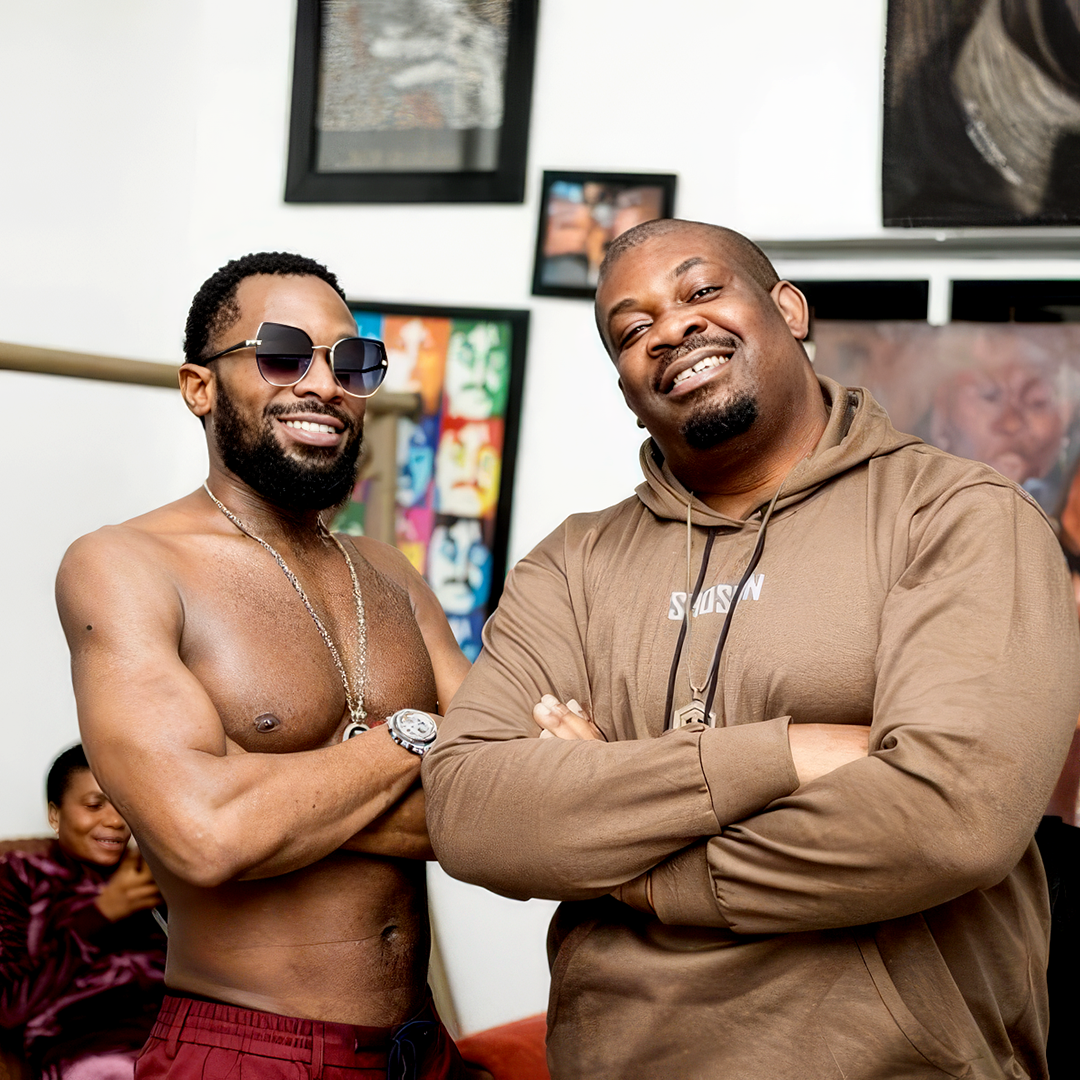
My story with D’banj had begun several years earlier during my time with MTV Networks Africa, where I was part of the founding launch team and worked as Head of Events, Creative, Digital and Marketing for MTV Africa, producing and creatively directing some of the major live shows, campaigns and artist platforms we were building across the continent.
The D’banj I first encountered had already broken through in Nigeria, but he was still in the first explosive phase of becoming the D’banj Africa would soon know.
D’banj and Don Jazzy had returned to Nigeria with something immediately distinctive. “Tongolo” and the No Long Thing era introduced far more than a new recording artist; they introduced a vocabulary, an attitude and eventually a character. At the centre of that world was the Koko.
What exactly was the Koko?
That ambiguity was part of its genius. The phrase came directly out of D’banj’s earliest music and persona, particularly “Tongolo,” with its playful insistence on asking audiences whether they wanted to know the Koko. People began giving it their own meanings.
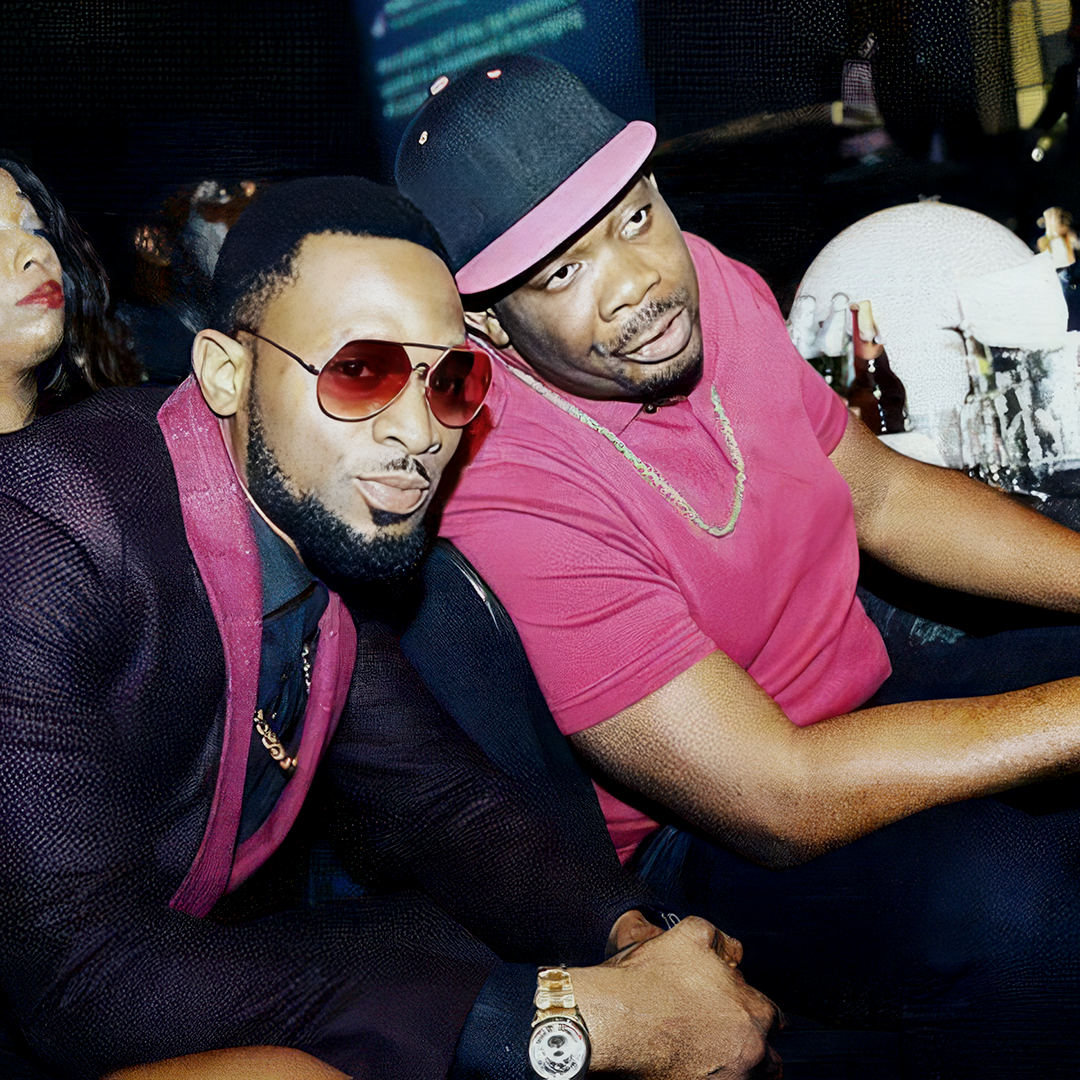
D’banj encouraged that ambiguity and seemed to understand instinctively how powerful it was to give an audience a phrase they could adopt, reinterpret and carry forward themselves.
Before long, the music and the mythology had become inseparable. The Koko Master was taking shape.
By the time I produced and staged the first defining major MTV show I did with D’banj in Lagos during the MTV Alert with Motorola era in 2006, he was already a genuine Nigerian star.
He was not an unknown artist waiting for someone to discover him. “Tongolo,” “Socor” and “Mobolowowon” had established him, while Don Jazzy’s production, D’banj’s harmonica, his fashion, humour, sexuality, movement and extraordinary charisma made him impossible to confuse with anybody else.
Nigeria already knew him, West Africa was increasingly recognising him and across the continent the acceleration had begun. The enormous Pan-African D’banj phenomenon was still being created in real time. We were catching him after the breakthrough, but before the coronation.
My journey intersected with D’banj's story at that extraordinary point after the breakthrough but before the coronation, already a Nigerian star, with the Koko Master phenomenon still being created in front of us.
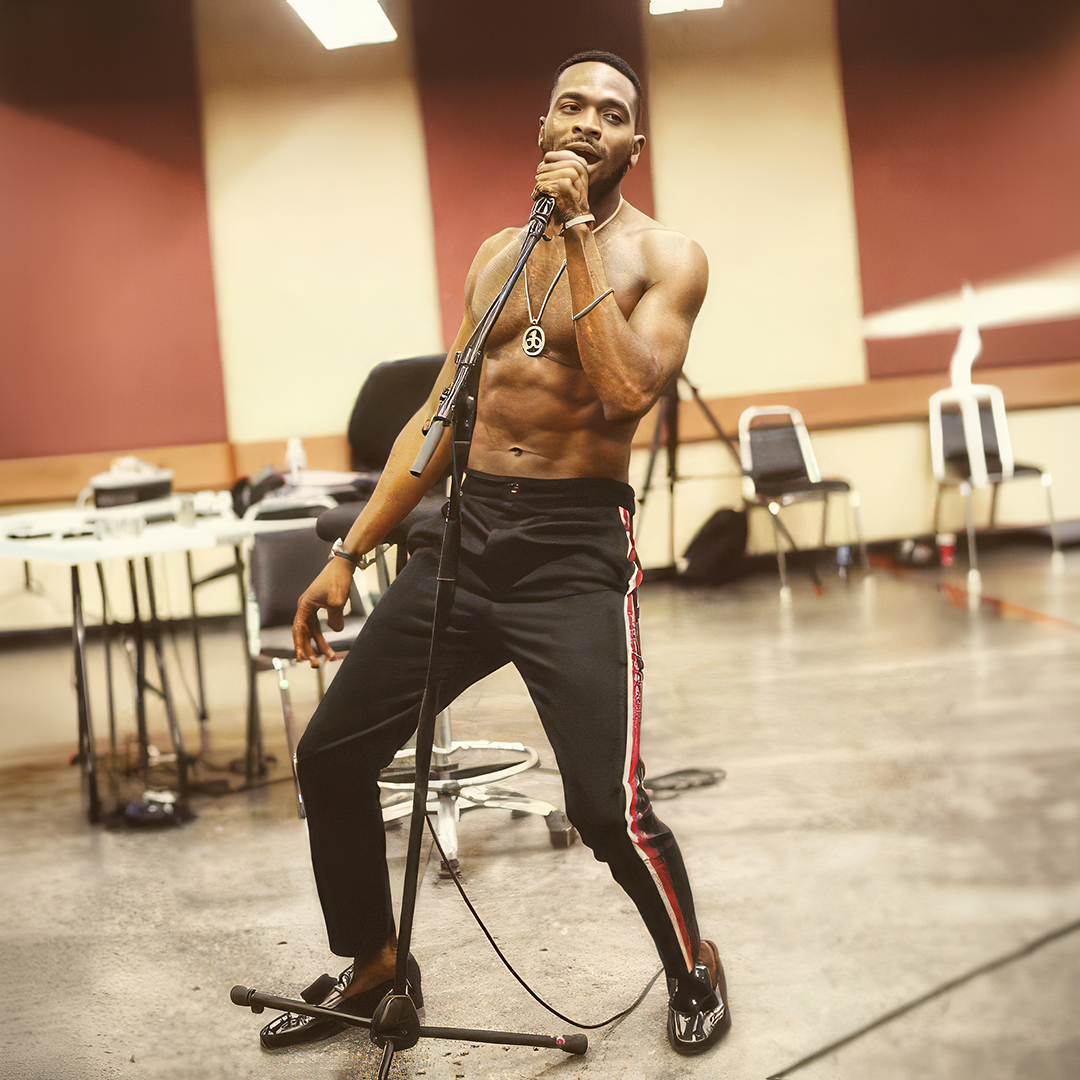
One of my vivid memories from those early years is not an award or a television interview. It is an argument about a bed.
D’banj wanted one onstage. An actual bed.
We argued backstage, through rehearsals and during sound check. He was adamant that the bed belonged in the performance, while I was looking at the situation through the eyes of the person responsible for producing and creatively directing a multicamera television show that had to travel across MTV and a much wider network of broadcast partners.
I knew D’banj, I knew the music, I understood what the Koko could mean, and I had a fairly good idea that if I placed a bed in the middle of his stage and then switched several television cameras on, D’banj was unlikely to use it for sleeping. The tension between us went far beyond a piece of stage furniture. I wanted artists on those stages to arrive as themselves.
If we were serious about presenting a new generation of African stars to continental and international audiences, we could not invite them into global television spaces and then erase all the personality that made them authentic in the first place. D’banj was fighting for the character. I was protecting the broadcast. Eventually, I gave in. The understanding was simple: I would give him the space to remain artistically true to the performance and persona he wanted to build, and he would keep whatever happened around the bed and the Koko sufficiently television-friendly for the wider broadcast.
He got his bed, and D’banj did what D’banj did.
Looking back now, I sometimes smile at how much energy we spent arguing over a piece of bedroom furniture, because what we were really negotiating was the integrity of a superstar persona.
The Koko Master could never have become the Koko Master by behaving like everybody else.
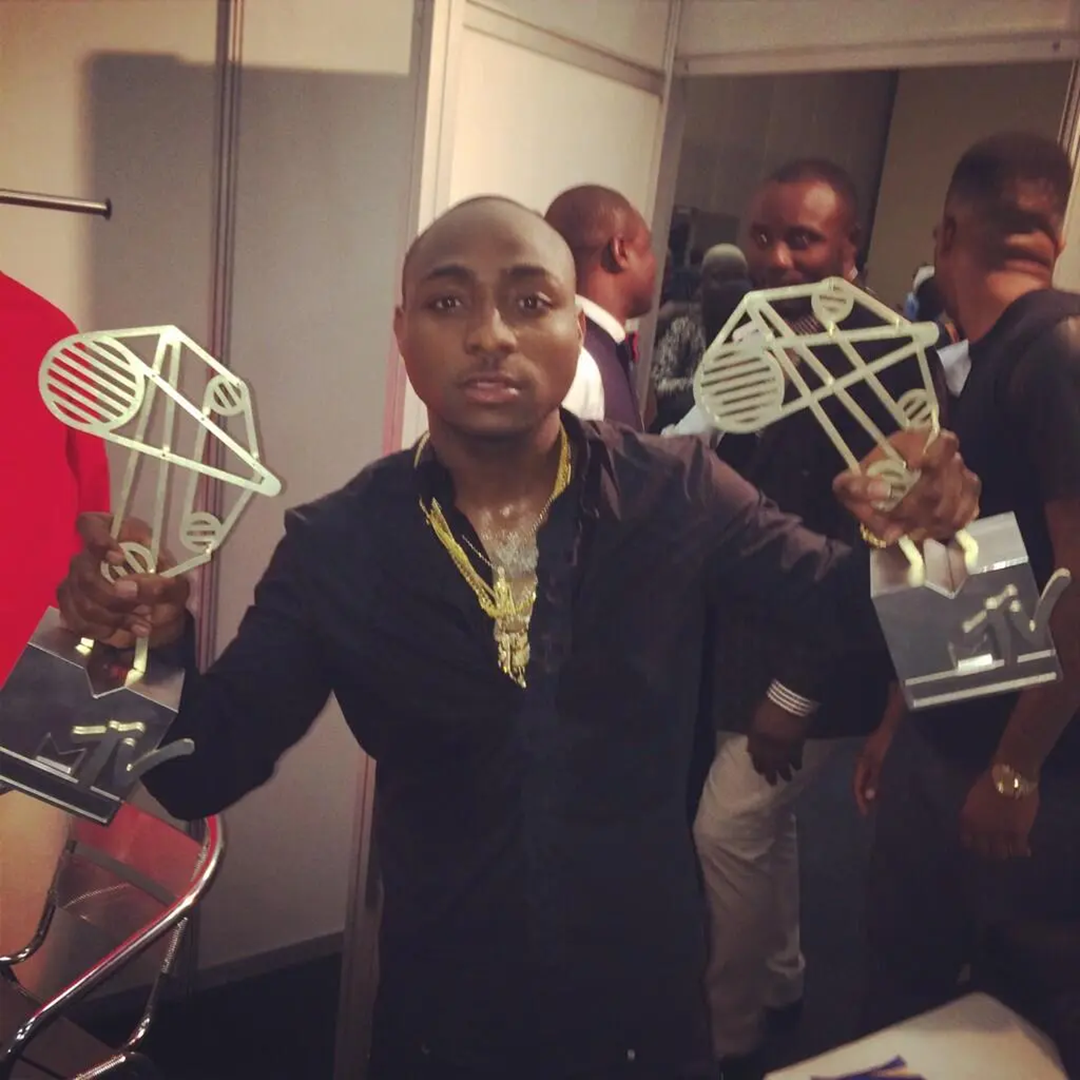
Two years after we were arguing over a bed backstage, D’banj was standing at the first MTV Africa Music Awards (MAMAs) as the biggest winner of the night. The personality had found the scale of stage it was always reaching for.
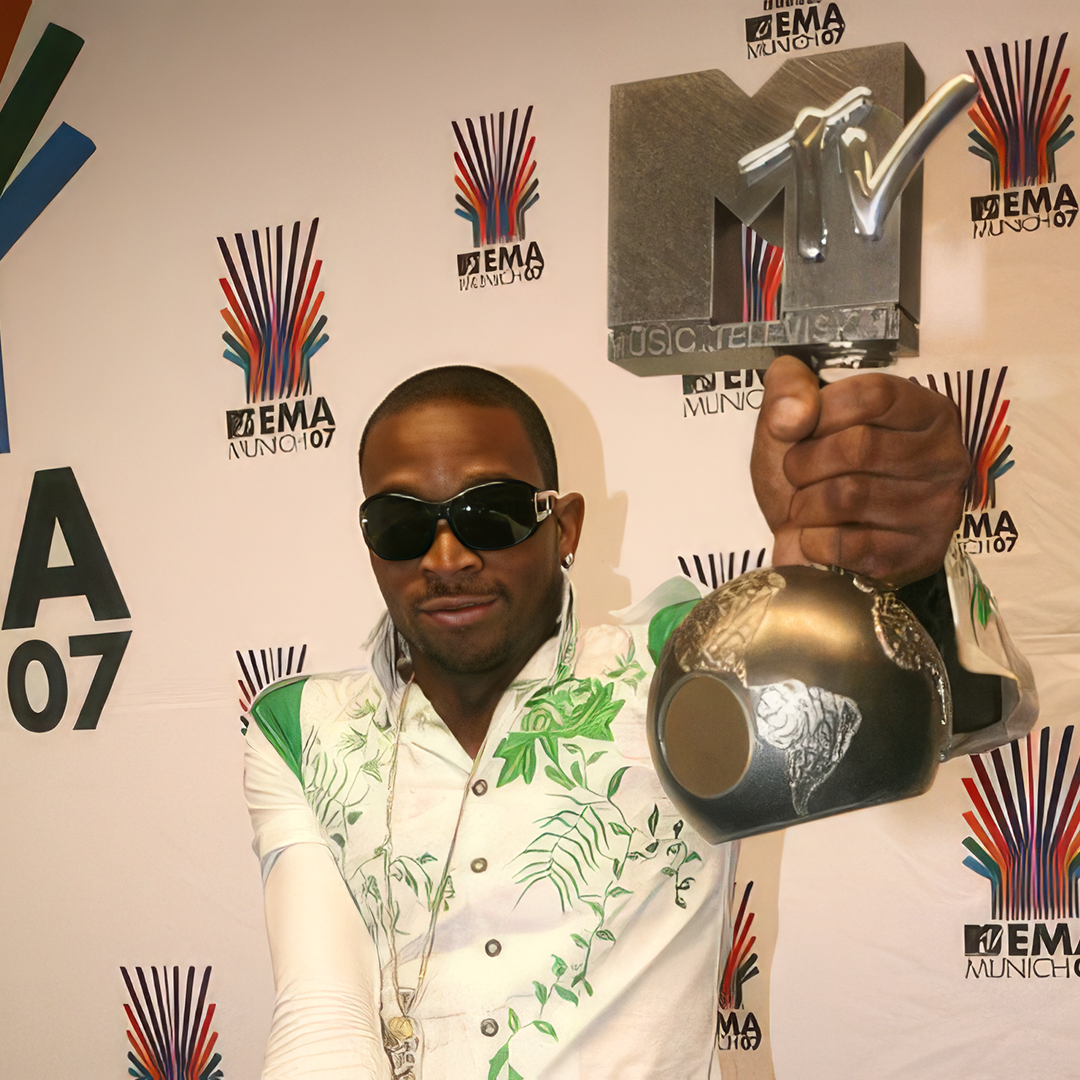
The acceleration came quickly. “Why Me?” changed the scale of the D’banj phenomenon. The records became bigger, the performances became bigger and the personality travelled. Then the awards began telling the same story the audiences already seemed to understand.
In 2007, D’banj won Best African Act at the MTV Europe Music Awards in Munich. A year later came the inaugural MTV Africa Music Awards in Abuja, and on 22 November 2008 he dominated the first MAMAs, winning three awards in one night: Artist of the Year, Best Male and Listener’s Choice for “Why Me.”
For me, that night captured just how dramatically the trajectory had changed. Only a few years earlier, we had been arguing backstage about whether D’banj could put a bed on an MTV stage. Now he was standing at the centre of the biggest African awards platform we had built, no longer simply one of Nigeria’s hottest stars but one of the defining artists on the continent.
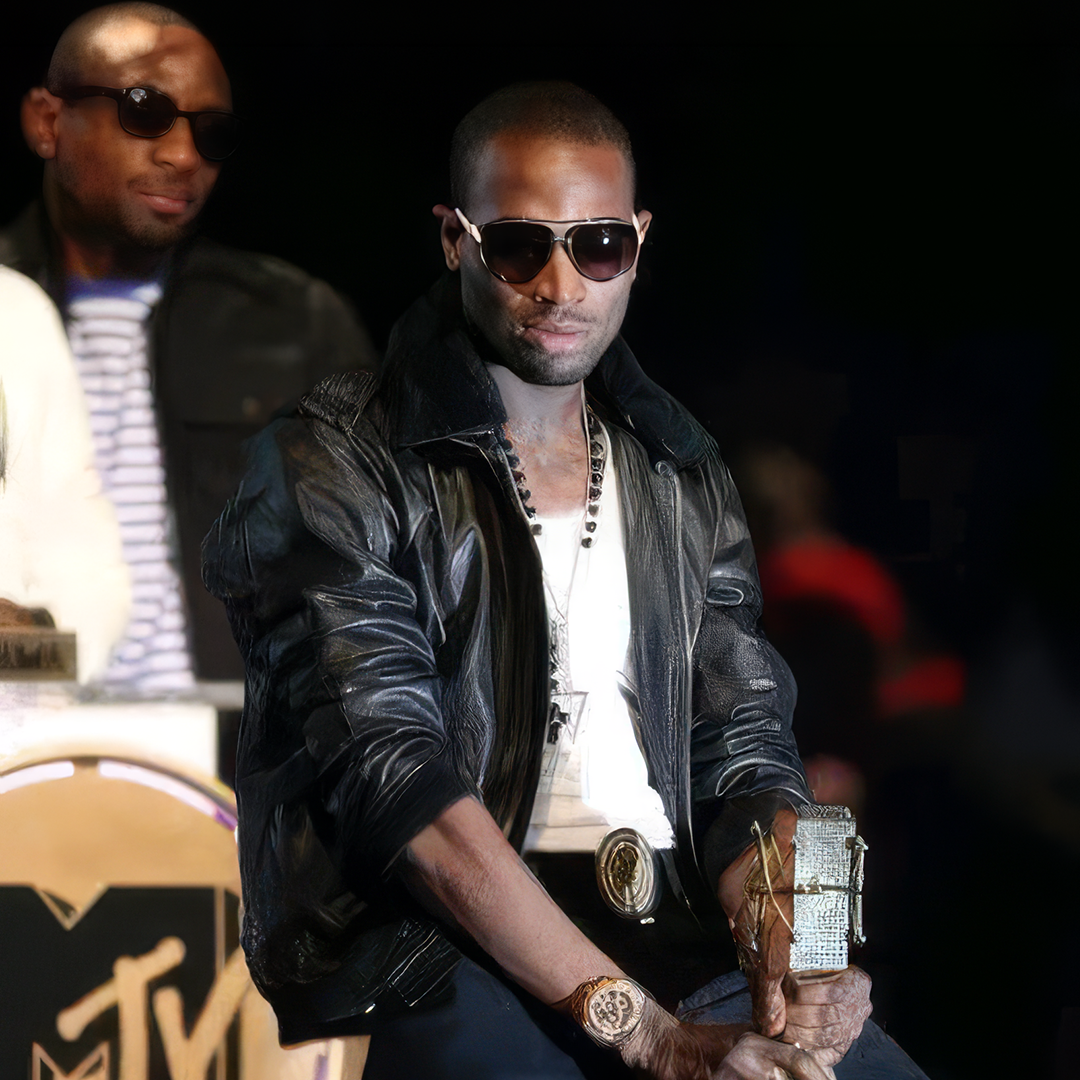
Then, in 2009, at the MAMAs in Nairobi, he successfully defended the biggest title and won Artist of the Year for the second consecutive year.
By the end of that three-year run alone, D’banj had collected five major MTV trophies: Best African Act at the MTV EMA, two MAMA Artist of the Year titles, MAMA Best Male and MAMA Listener’s Choice.
It was one of those rare periods when you could watch an artist’s scale changing almost from year to year. The stages grew, the television audience widened, the awards followed and D’banj’s own ambition kept pushing outward.
In 2010, my own MTV chapter ended when I left the company, but the relationships built through those years did not disappear with the job title. They simply moved into another phase.
Leaving MTV opened a different professional life. I continued working through my own consultancy, agency, creative practice and industry relationships. D’banj was no longer simply an artist I worked with because I happened to sit inside MTV. By then, we had built a personal and professional relationship that extended well beyond any one company or platform.
In 2011, I worked around him again on Vodafone 020 Live in Accra, this time completely in my own capacity. The scale around D’banj had changed dramatically. He was appearing on a major West African bill alongside American R&B superstar Trey Songz, surrounded by leading Ghanaian and Nigerian talent.
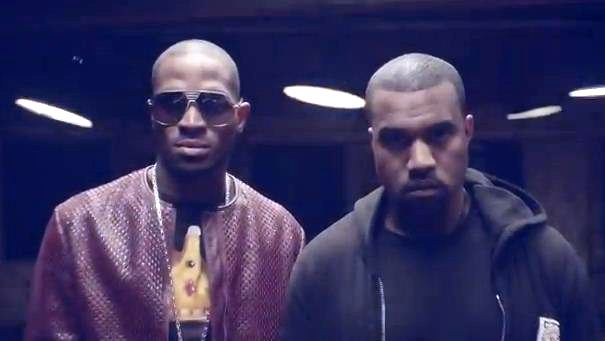
Kanye West and G.O.O.D. Music had entered the story. D’banj’s international ambitions were no longer hypothetical. The artist I had first encountered during the early rise of the Koko Master was now moving through a world in which Africa, Europe and America were beginning to intersect around him.
The next bridge was Sony Music.
I introduced D’banj to Sony Music Entertainment and helped bring the two sides into a relationship that developed into his Sony Music agreement.
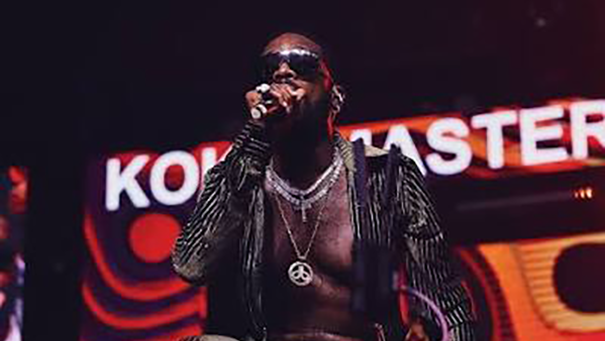
By 2012, he was standing at one of the most consequential crossroads of his career. Mo’Hits had ended. His defining creative and business partnership with Don Jazzy had broken apart. Yet at almost exactly the same time, “Oliver Twist” was exploding internationally, reaching the UK Top 10 and taking D’banj decisively into the European mainstream.
That same year, during the international breakthrough of “Oliver Twist,” D’banj won Best African Act at the MTV Europe Music Awards for a second time, five years after his first EMA victory. The first had arrived while his continental rise was accelerating; the second came with a genuine international hit already carrying his name far beyond Africa.
One defining chapter had closed, and another was opening.
That was the atmosphere surrounding the week we spent inside the old Sony Music Entertainment offices in Johannesburg. Down in the basement, D’banj was recording new material.
Beyond that studio, conversations were taking shape around how the next phase of his career could travel.And then Davido entered the story.
Davido was nineteen, already on fire in Nigeria and carrying serious momentum across Africa, but he behaved as though everything that had happened so far was simply proof that something much bigger was possible.
D’banj introduced us in that basement studio.
Davido was nineteen.
His story already stretched between two worlds. Born David Adedeji Adeleke in Atlanta and raised largely in Lagos, he had moved between Nigeria and the United States and initially immersed himself in music from the production side before becoming the artist in front of the microphone. Together with his brother Adewale Adeleke and the circle around him, he built HKN into the early home for the career he was creating.
“Back When,” featuring Naeto C, introduced him to a wider audience. Then “Dami Duro” arrived and everything accelerated. In an extraordinarily compressed period, the young producer and artist had gone from learning his way around studios and making records with friends to becoming one of the hottest young stars in Nigeria.
So the Davido who walked into that Sony Music basement was not an unknown young hopeful. He was already a big star, already on fire in Nigeria and already carrying significant Pan-African momentum. But he had not yet become the Davido the world knows today.
He was nineteen, barely a year into his professional career, riding the extraordinary momentum of “Dami Duro” and carrying the restless energy of somebody who seemed convinced that whatever had already happened was still nowhere near big enough.
That is the Davido I remember.
He had extreme energy, the kind that seemed to follow him into every part of the room. He was very young, intensely ambitious and already thinking at a scale much larger than the career he had built so far.
There were very, very big dreams inside that young man, but the ambition never felt detached from reality because he had the music beneath it.
Davido started playing unreleased records, and the studio came alive.
Tracks were rewound, people danced, Davido watched everybody’s reactions, became more animated and immediately wanted to play another record, then another. He fed off the energy of the room and threw even more of it back into the music.
What stayed with me was how little interest he seemed to have in admiring what he had already achieved. His success appeared to function as evidence that the larger dream inside his head might actually be possible.
Without the music, that confidence might have seemed impossibly large. But Davido could press play, and when he did, people moved.
D’banj saw it too.
Then came the Rolex.
Nothing formal was signed that day. D’banj simply gave Davido a Rolex and shook his hand. The value of the moment was never really the watch, it was one African superstar recognising the next.
There was no formal signing ceremony, no lawyers in the studio and no contract placed on a table. D’banj simply gave Davido a Rolex and shook his hand.
That was the “signing.” A Rolex and a handshake.
It was informal, symbolic and completely D’banj. Luxury had always formed part of the Koko Master’s visual language, the jewellery, the clothes, the cars, the swagger and the unapologetic projection of success. Davido certainly did not need D’banj to introduce him to wealth, so the power of the gesture came from somewhere else entirely. It came from who was giving it to him. One superstar was looking at a nineteen-year-old artist whose career was already accelerating and saying, in his own language: I see you. Within weeks, the moment escaped into Nigerian entertainment folklore. Reports began describing D’banj as having “signed” Davido, with the gold Rolex portrayed as a signing gift.
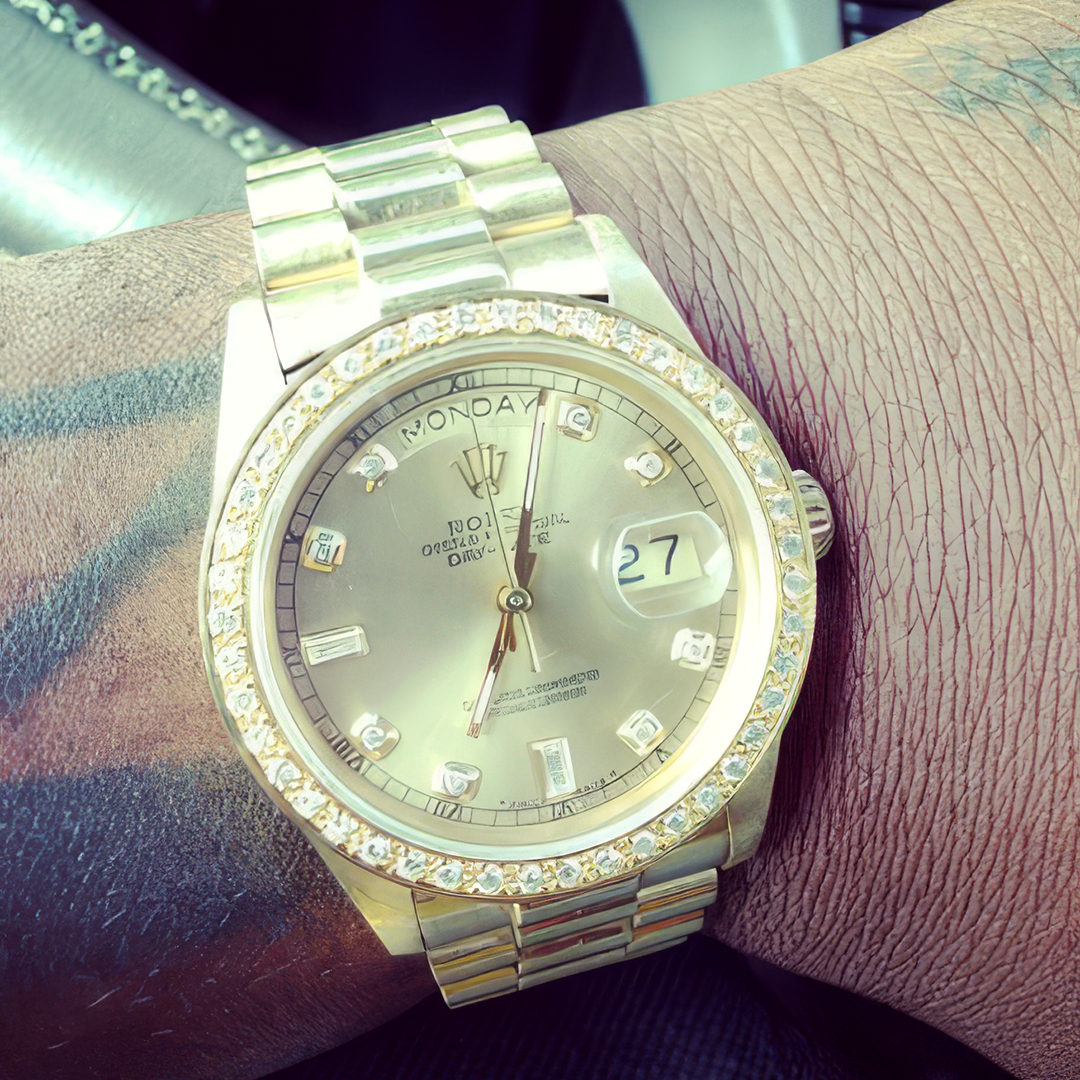
Years later, D’banj himself would remember the story that way. Davido confirmed the central detail — D’banj had indeed given him his first Rolex — while making the contractual reality perfectly clear: “I never signed anything.”
Then he added something equally revealing: “He paved the way for me any day.”
There was no formal record deal. There was recognition, and sometimes a gesture of belief from somebody who has already travelled the road becomes part of how a young artist understands what might be possible.
For me, the Sony basement became something else as well. It was the point where two relationships crossed: one I had already helped bring into Sony Music, and another that was only just beginning. That second relationship would keep moving.
During that week in the Sony Music basement, I helped structure D’banj’s first Sony Music deal, and within hours, on the same day, Sony Music Africa leadership had brokered another extraordinary move with SuperSport: ‘Top of the World’ would become the official anthem for its upcoming AFCON campaign with CAF. In one day, the music, the deal and the continental stage all came together.
My work with D’banj and Sony Music continued into another defining chapter.
I set up and confirmed the deal that placed D’banj as one of the marquee headline artists at the official closing ceremony of the 2013 Africa Cup of Nations in South Africa, working around CAF and the tournament. Sony Music Africa’s leadership was also essential in helping secure and bring the opportunity together. It was exactly the kind of platform D’banj had spent years preparing himself for.
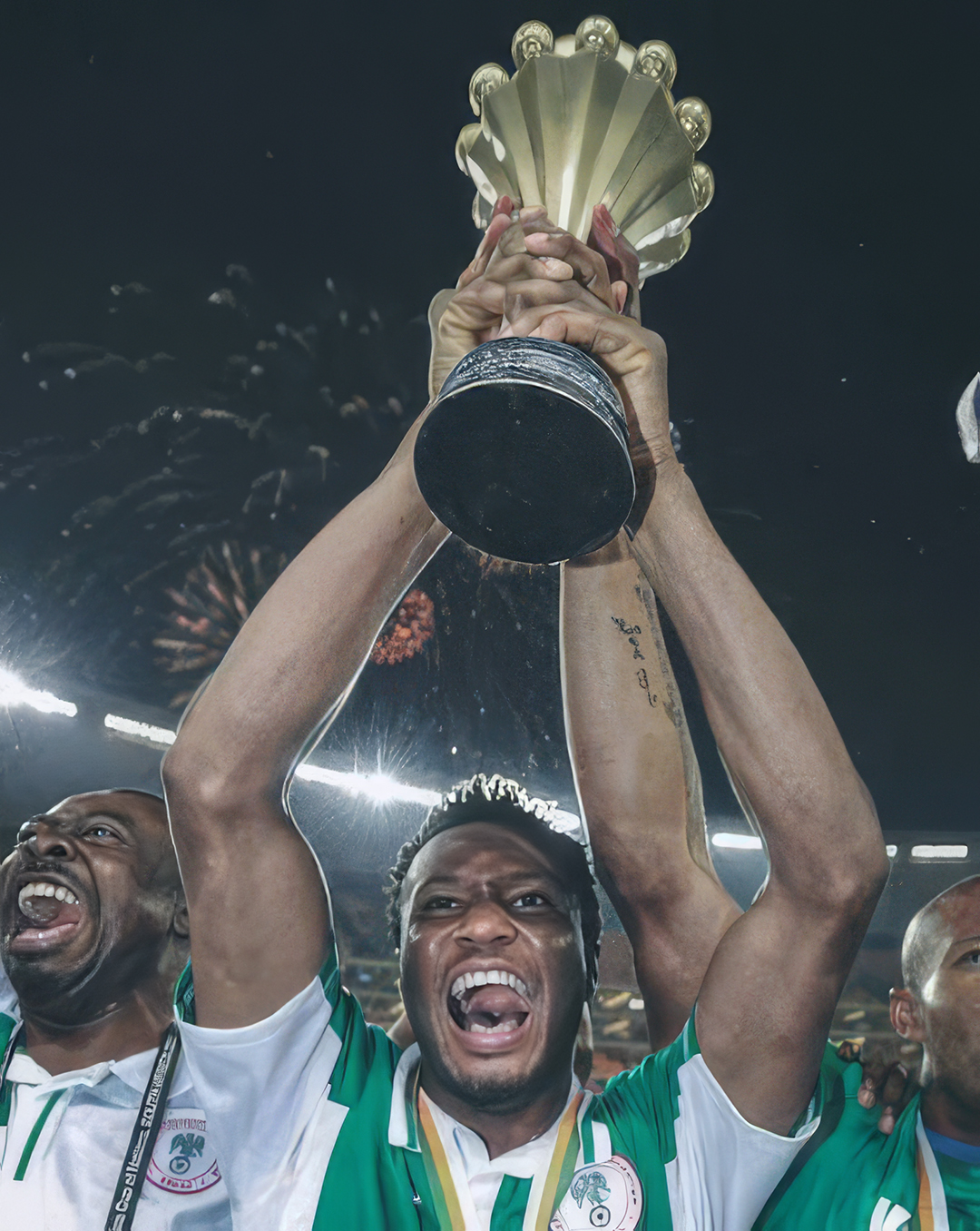
On 10 February 2013, he walked onto the field at Johannesburg’s FNB Stadium — Soccer City, the same arena that had hosted the 2010 FIFA World Cup Final — before Nigeria faced Burkina Faso in the AFCON final.
This was not another conventional music concert. It was Africa’s premier football championship, inside one of the continent’s most recognisable stadiums, in front of an enormous live audience and a television audience reaching across Africa and beyond.
D’banj performed “Oliver Twist” and “Top of the World,” two records that captured the moment almost perfectly.
“Oliver Twist” represented the international breakthrough, while “Top of the World” represented the next chapter, part of the new Sony-era momentum around D’banj and a record that had become closely associated with AFCON through SuperSport. Then the night delivered an ending no creative director could have scripted more perfectly.
The closing ceremony finished, Nigeria and Burkina Faso took the field, Sunday Mba scored and Nigeria won 1–0. The Super Eagles became champions of Africa for the first time since 1994. Only moments earlier, D’banj had been standing in the middle of Soccer City performing “Top of the World.”
Suddenly the title sounded almost prophetic.
For me, that AFCON booking became another extraordinary marker in the journey. The young Nigerian artist I had first worked with during the formative Koko Master years was now standing inside the stadium that had hosted a FIFA World Cup Final, performing at the climax of Africa’s biggest football championship while his career was moving deeper into Sony Music and the international mainstream.
D’banj performed ‘Top of the World’ in the stadium that had hosted a FIFA World Cup Final. Minutes later Nigeria walked onto the same field and became champions of Africa. You could not have scripted it better.
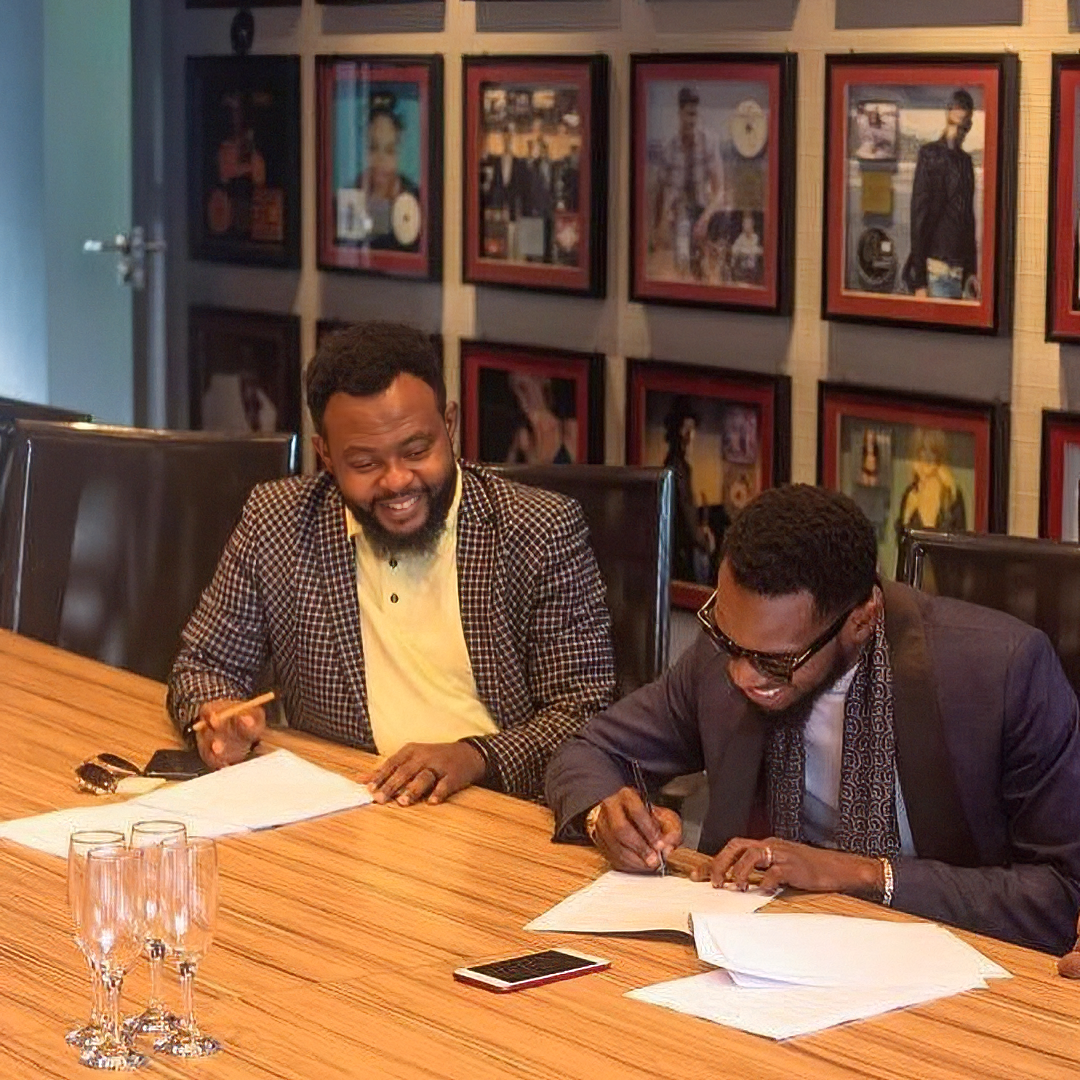
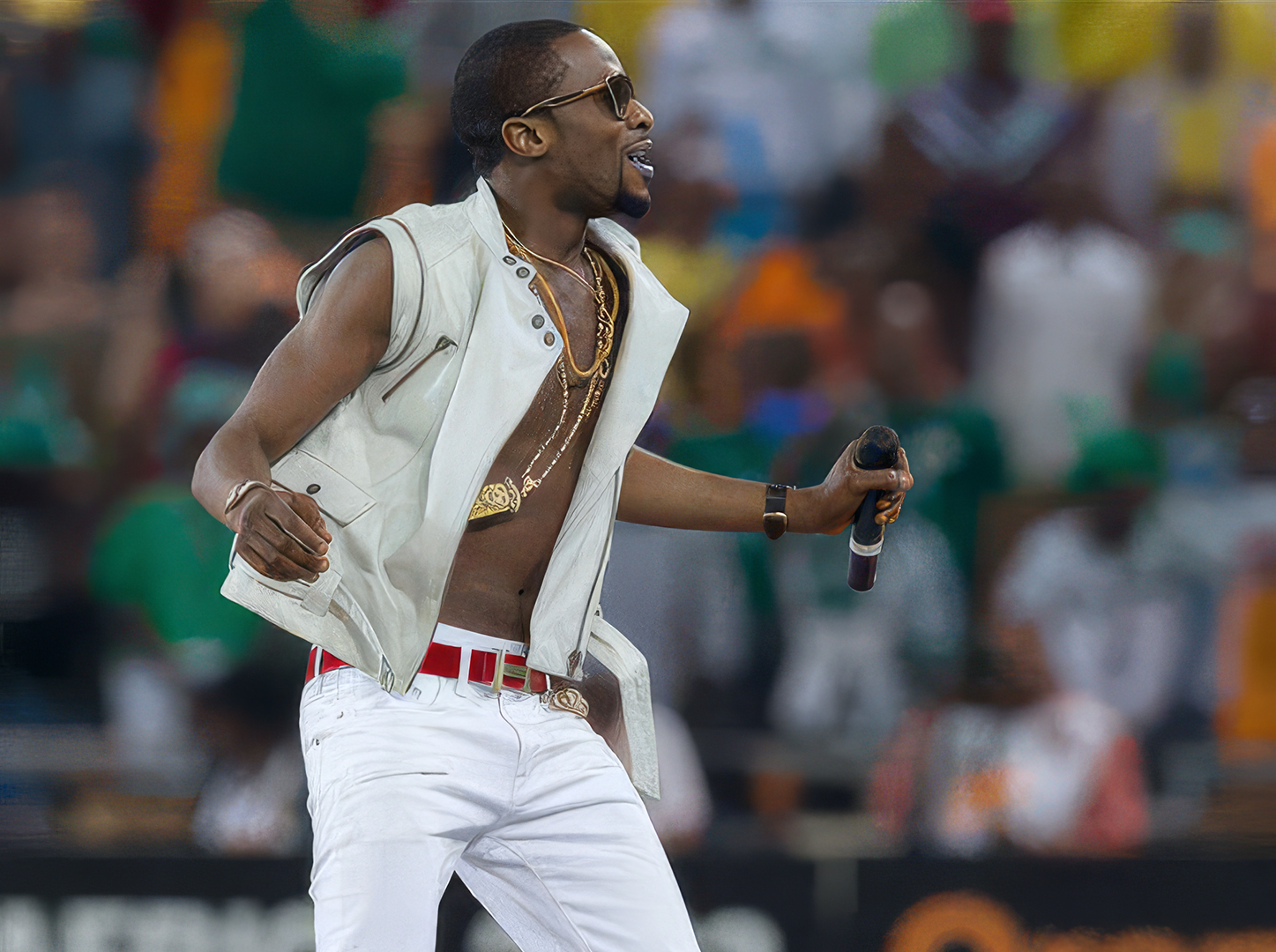
Years before “Afrobeats to the world” became a permanent industry slogan, D’banj was already helping demonstrate what it could look like when contemporary Nigerian pop occupied the biggest African sporting platforms, European charts and international music-company structures at the same time. His MTV story would later acquire one final chapter. In 2015, at the MTV Africa Music Awards in Durban, D’banj received the inaugural MAMA Evolution Award, recognising an established African artist whose career had helped take African music into new territories and made a lasting impact on contemporary African popular culture.
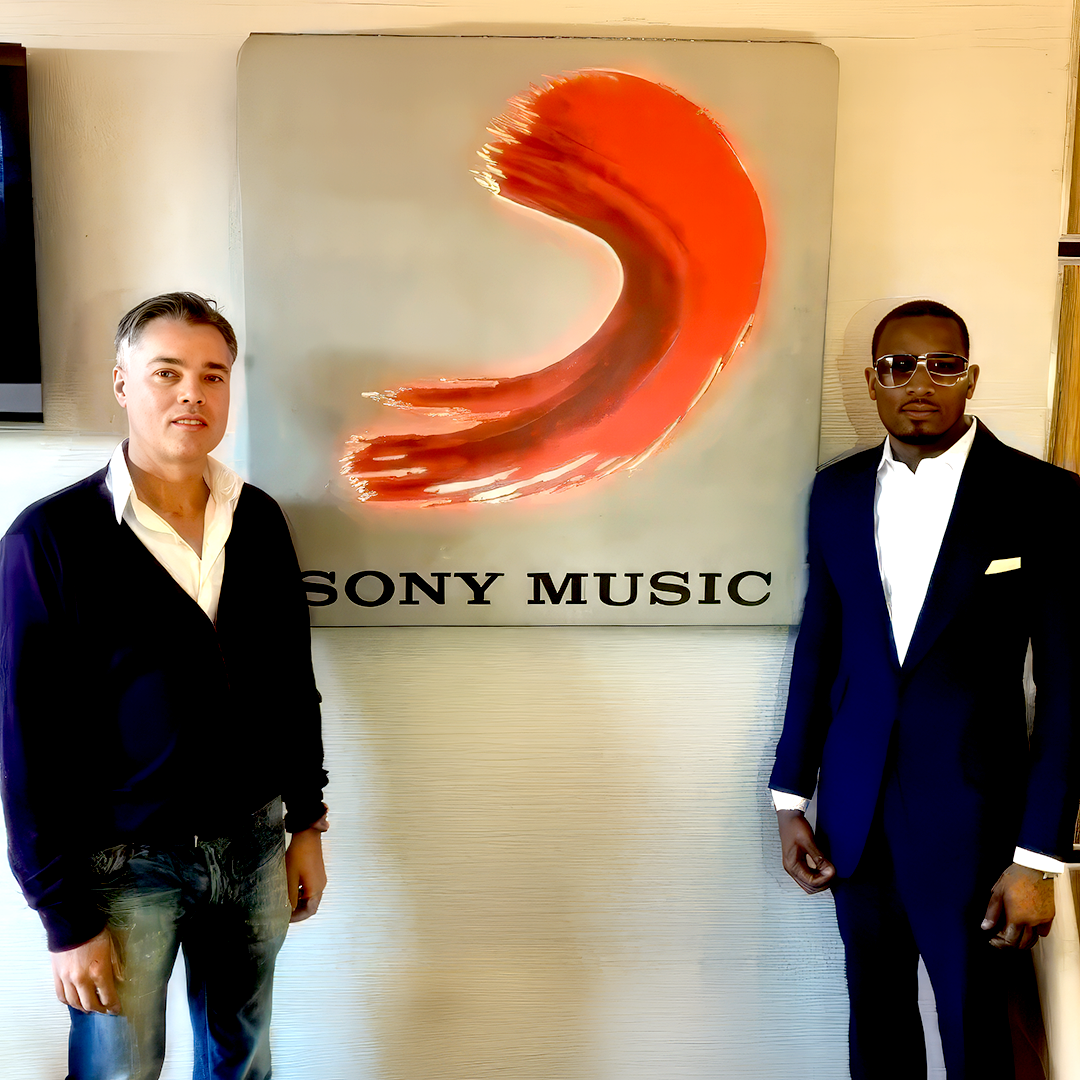
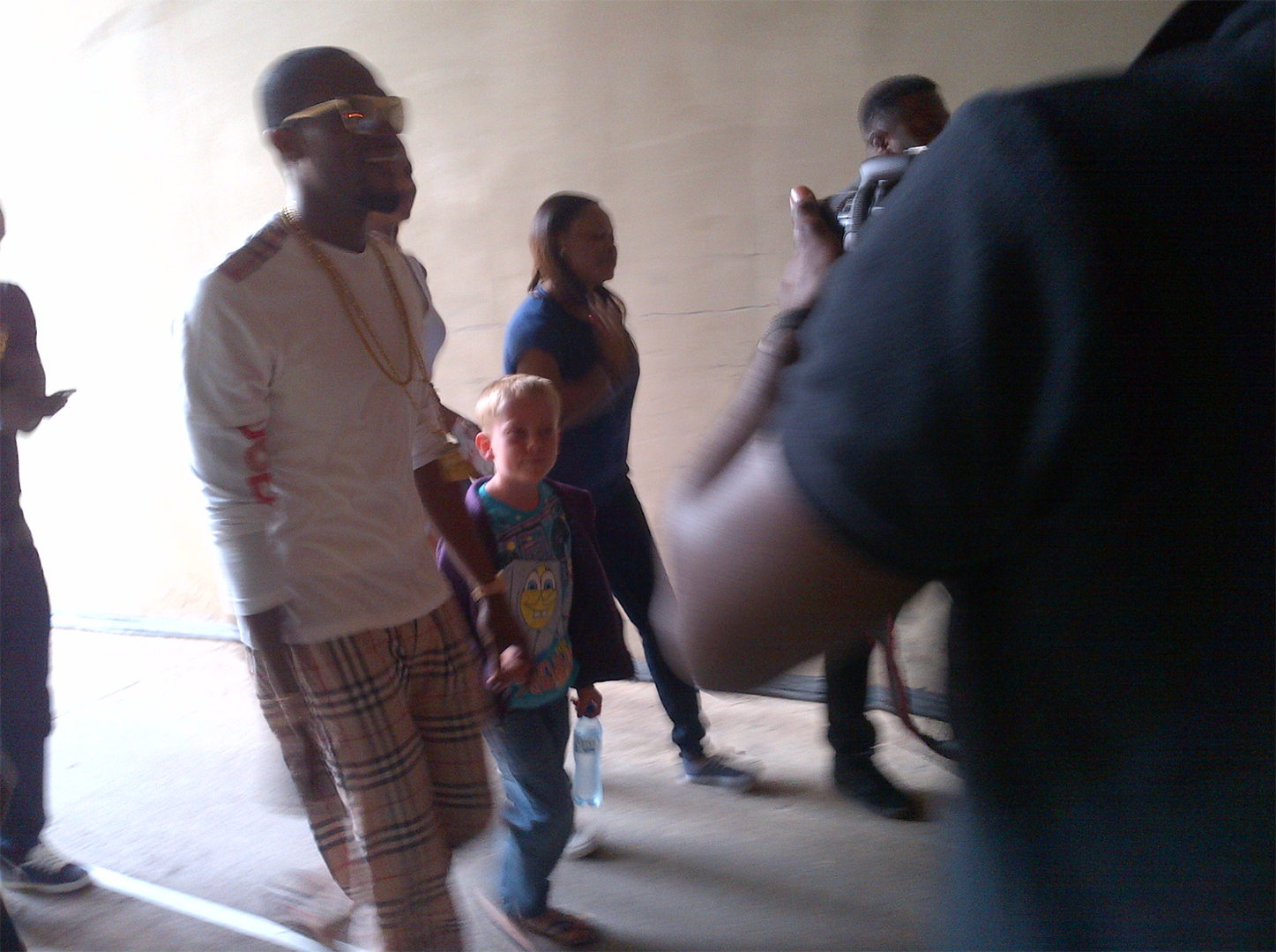
That brought his verified major MTV award tally to seven: two MTV EMA Best African Act titles, two MAMA Artist of the Year wins, one MAMA Best Male, one MAMA Listener’s Choice and the MAMA Evolution Award.
Seven trophies across eight years traced an extraordinary arc from the first explosive rise of the Koko Master to recognition of the wider influence he had exerted on African music.
The Sony story with Davido did not begin in a New York boardroom. I could trace it backwards to that Johannesburg basement, to the first introduction and to a young artist whose imagination was already living somewhere far beyond the room.
While D’banj’s journey continued, another Sony Music story had already started moving.
My first meeting with Davido in that basement did not end as simply another memorable studio encounter. I introduced him into Sony Music Entertainment and helped open the early bridge between Davido and the Sony Music Africa leadership.
What followed required many people. Davido had the records and the momentum. Asa Asika and the team around him were building and protecting a rapidly expanding career.
Sony Music Africa’s leadership had the vision to recognise that this was not merely another successful African artist to be serviced regionally. The opportunity was much larger.
The company’s African leadership began developing the relationship and carried the conversation further into Sony’s international organisation. That evolution reflected something I had believed for years: artists from Africa did not need to be viewed through a smaller commercial frame simply because they came from the continent. The right artist could stand inside the same global machinery as anybody else.
Davido represented precisely that possibility.
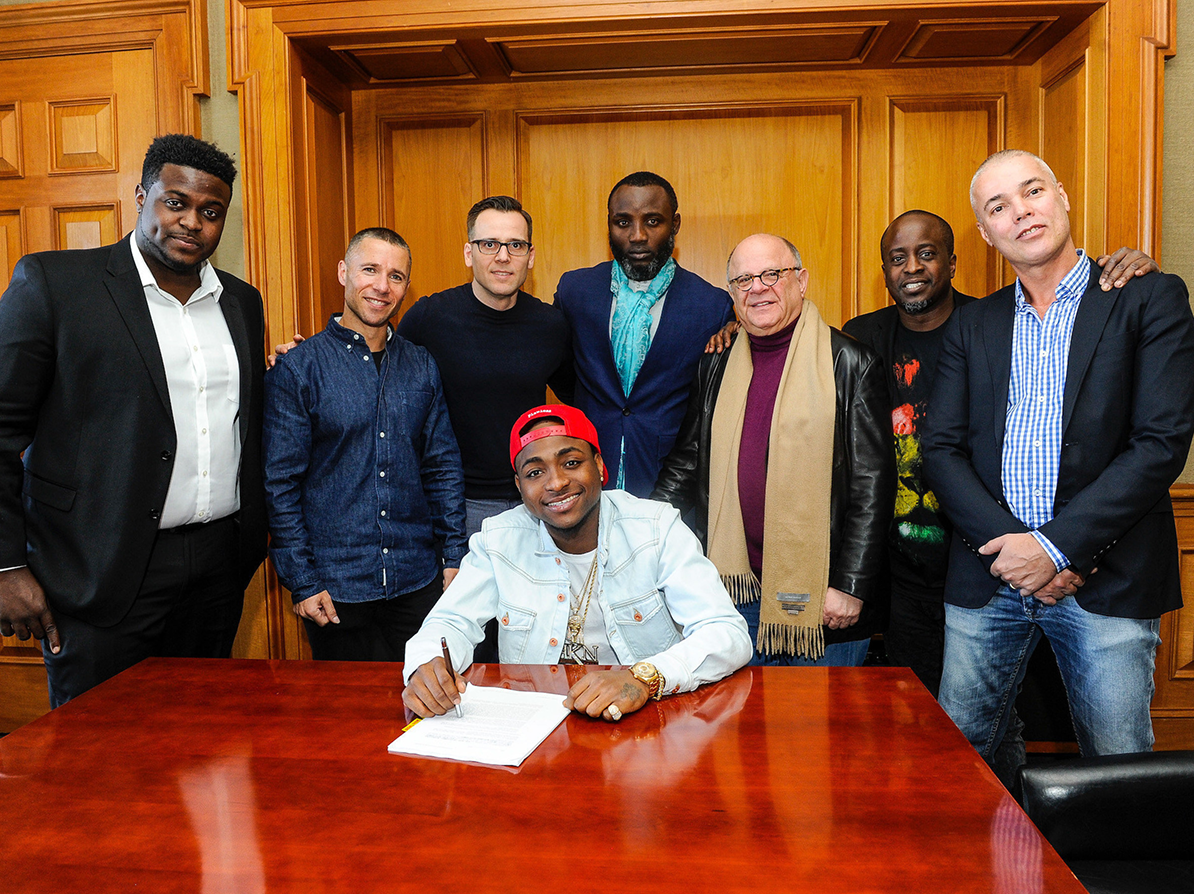
He already had Nigeria, Africa was accelerating around him and he had the records, the audience, the ambition and the cultural momentum. The early bridge into Sony Music Africa became a much larger conversation, and that conversation eventually travelled all the way to New York.
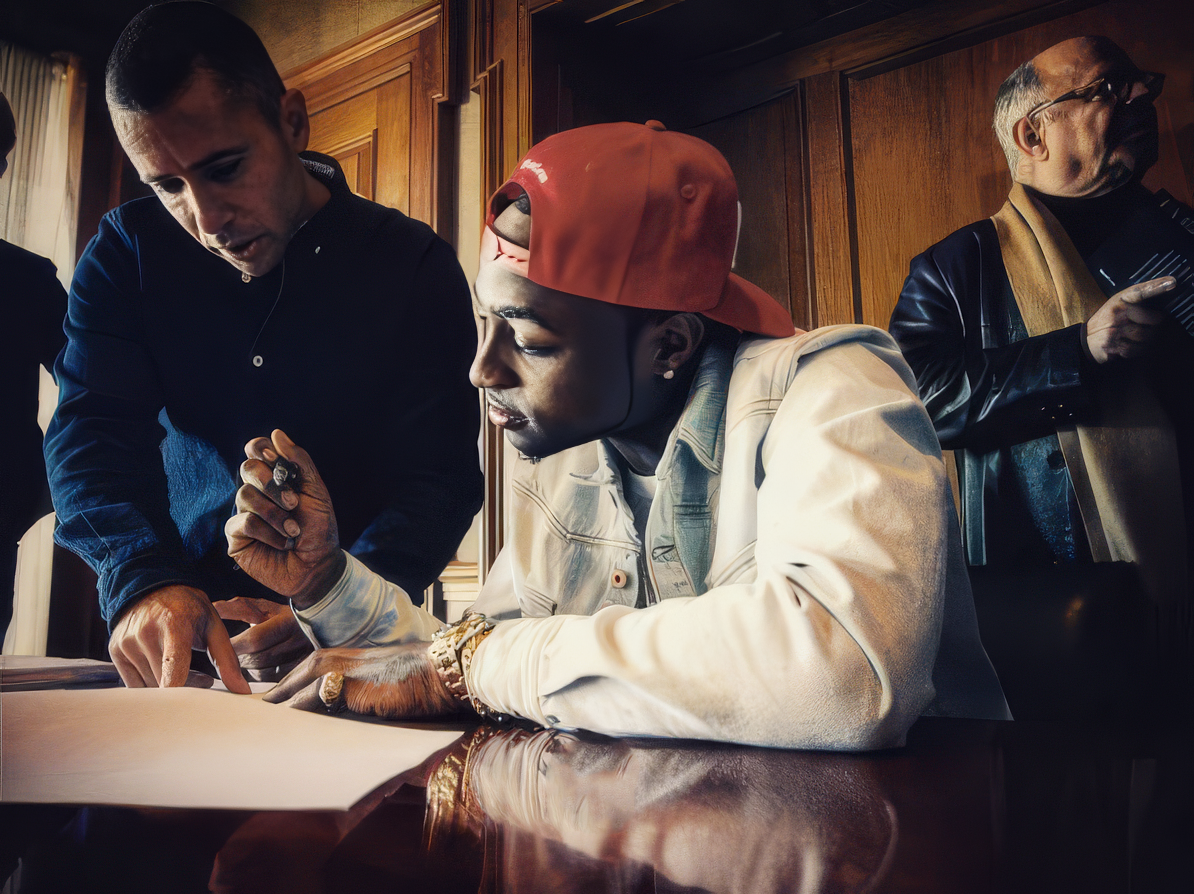
In January 2016, Sony Music Entertainment announced that Davido had signed what the company described as a groundbreaking global agreement. It was a worldwide deal.
By then, Davido did not need anybody to discover him in Africa. He was already one of the continent’s major superstars. The deal connected that momentum into one of the most powerful international music infrastructures in the world and opened another route through which an African superstar could build towards global scale.
For me, seeing that agreement finally arrive in New York carried a particular resonance because I could trace the relationship backwards, past the executives and paperwork, all the way to a basement in Johannesburg where D’banj had first introduced us.
Before the formal worldwide agreement, there had been unfinished music, loud speakers, a crowded studio and a nineteen-year-old young man whose imagination was already living somewhere far beyond the room.
During the 1970s, Nigeria became Africa's great record-buying economy, the largest music market in Sub-Saharan Africa, supporting annual album sales running into the millions and a domestic recording and vinyl-manufacturing industry substantial enough to attract EMI, Decca, Philips/PolyGram and other international companies. At its mid-1970s peak, estimates put the Nigerian album market at around ten million units a year. Now, in this new era of digital platforms and streaming, on the African continent Sony Music was leading the way substantially under its new visionary African leadership, anchored by their hubs and teams in South Africa, West Africa in Nigeria and East Africa in Dar es Salaam and Nairobi.
What followed became part of the larger history of Afrobeats. The catalogue expanded. “If” arrived. “Fall” travelled even further. International touring intensified. Streaming transformed the scale of African music distribution and the global audience grew. Davido became one of the defining personalities of a generation that would move contemporary African popular music permanently into the international mainstream.
The young man I remembered from the Sony Music basement increasingly became the artist he had seemed convinced he could become all along. Then, years later, our paths crossed again.
This time, the conversation had nothing to do with another record deal. It was about something larger than music.
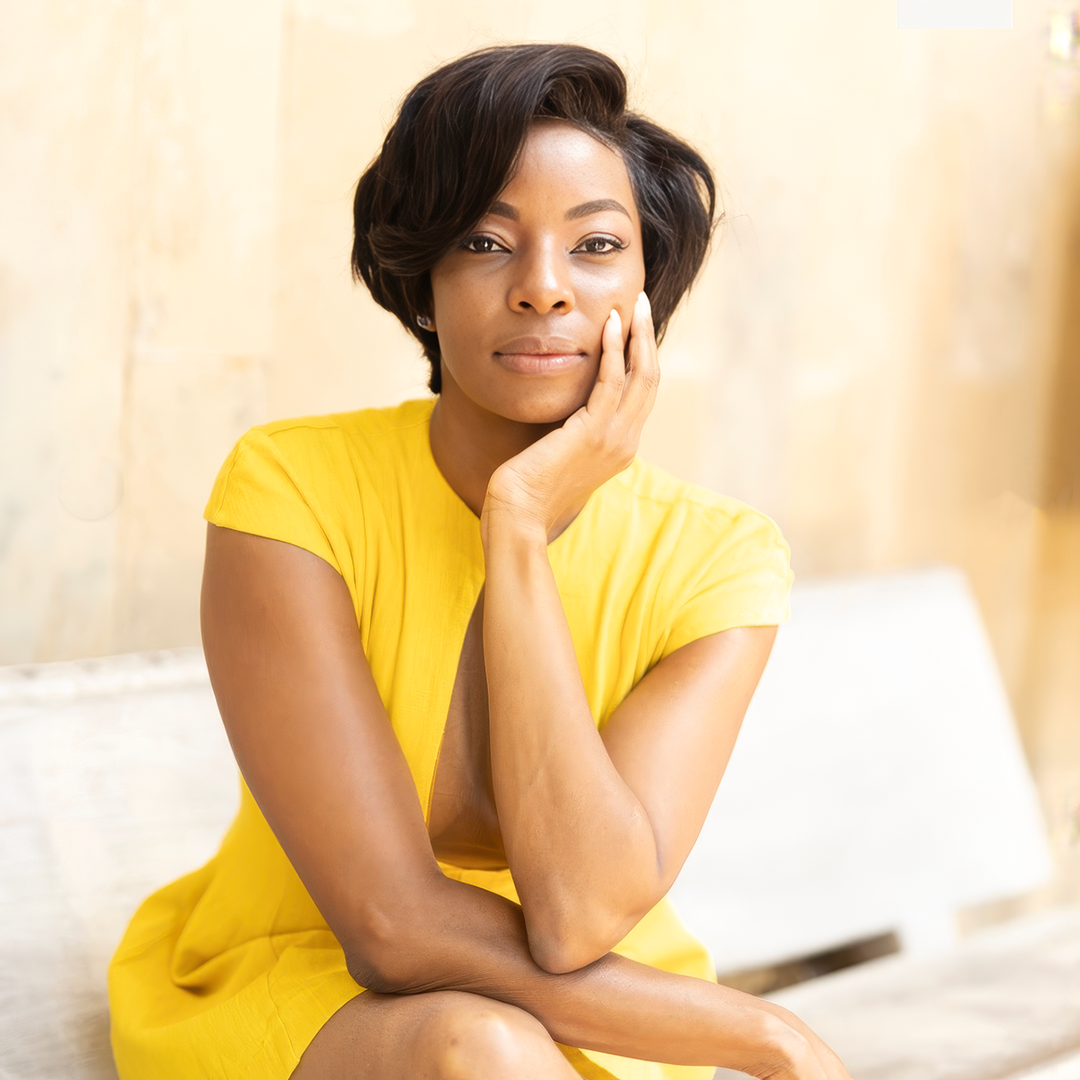
By then, Christine 'Seven' Mosha was my close business partner and partner in our agency.
Seven had also held senior leadership at Sony Music East Africa and had deep relationships across the African music industry, including within the Sony Music ecosystem and with Davido’s team and his longtime manager, Asa Asika.
The next connection with Davido grew through that network of trust. Seven understood the project, knew the people around him and knew how to navigate the realities surrounding one of the busiest artists in the world.
As she so often does, she got it done.
Davido came onboard, and then the logistical whirlwind began.
Getting a global touring superstar to say yes to a project is one thing. Getting that artist, his travel schedule, a director, film crew, equipment, location and production infrastructure into the same place at the same time is another. Davido could be almost anywhere: a concert in one city, a flight the following morning, another country, another stage. Our production effectively had to search for a narrow opening somewhere in the world and move towards it.
Ideally, we wanted to film him connected directly to Africa’s wildlife and landscapes. If his touring calendar made that impossible, we needed to build the right cinematic environment wherever the opening appeared.
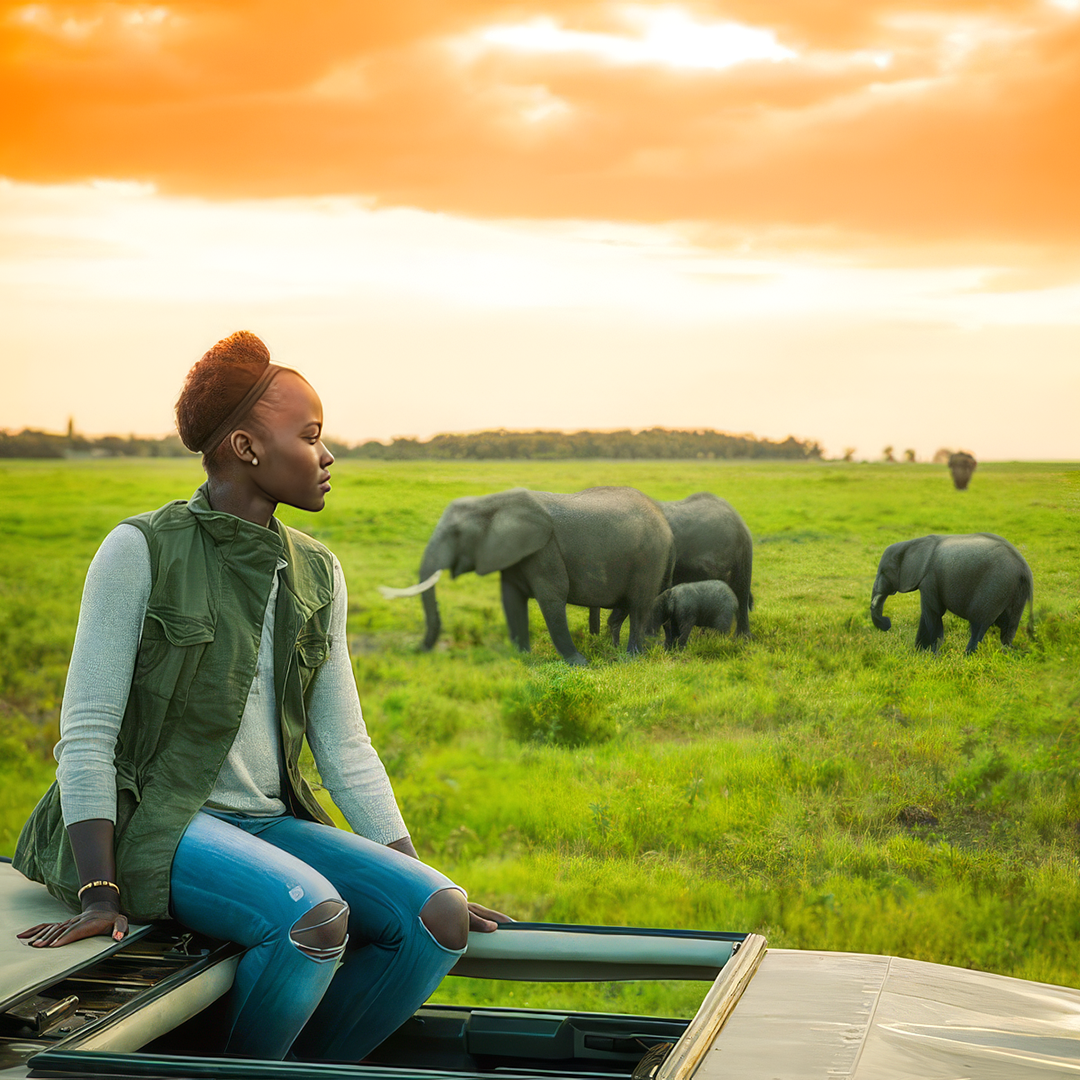
Eventually, the opening came in Los Angeles, between shows and a scheduled music video shoot around the same few days while he's there on location in LA.
We moved.
This time, the reason we were reconnecting with Davido was WildAid.
The conversation was no longer about charts, record sales, money, bright lights or giant stages. It was about Africa’s wildlife: lions, pangolins, illegal wildlife trafficking, the bushmeat crisis, habitats under pressure and species disappearing faster than many people realised.
The idea was simple but powerful. Could one of Africa’s most influential cultural voices help carry conservation into the same cultural spaces that music, sport, fashion and entertainment already occupied?
A scientific report can explain what is disappearing. A conservationist can explain why. Governments can legislate. Enforcement agencies can confront trafficking. Culture, however, can carry emotion into places statistics often struggle to reach.
That is where artists become extraordinarily powerful.
Davido could speak to millions of people who might never attend a conservation conference or read an environmental report because he was not addressing contemporary African culture from outside it. He was one of the artists shaping it.
The first time I met Davido, the conversation was about possibility. Years later, after the stages had become global, we were reconnecting around something larger than music: what that influence could help protect.
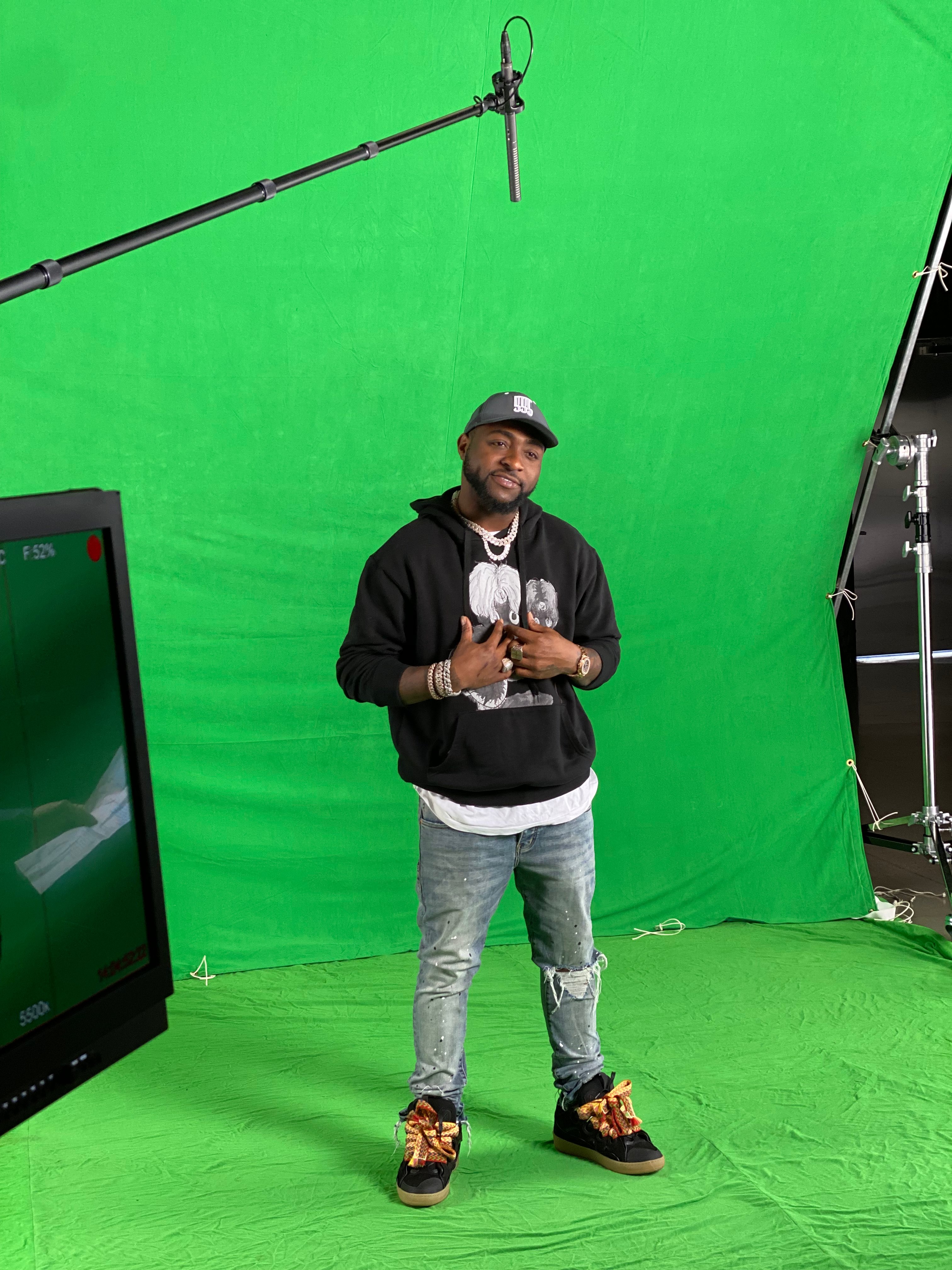
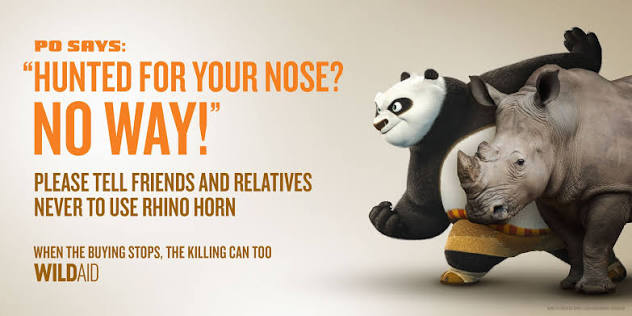
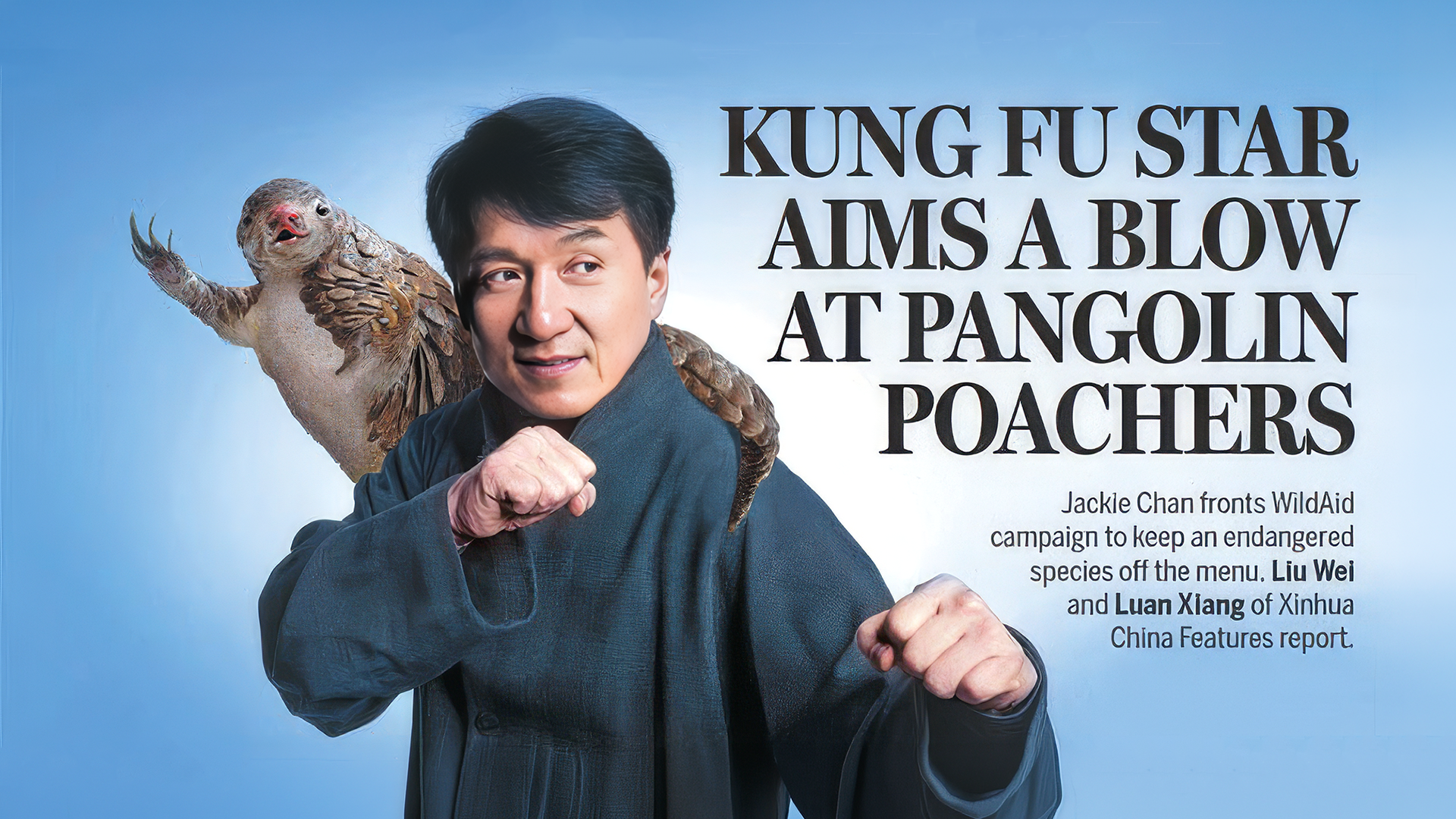
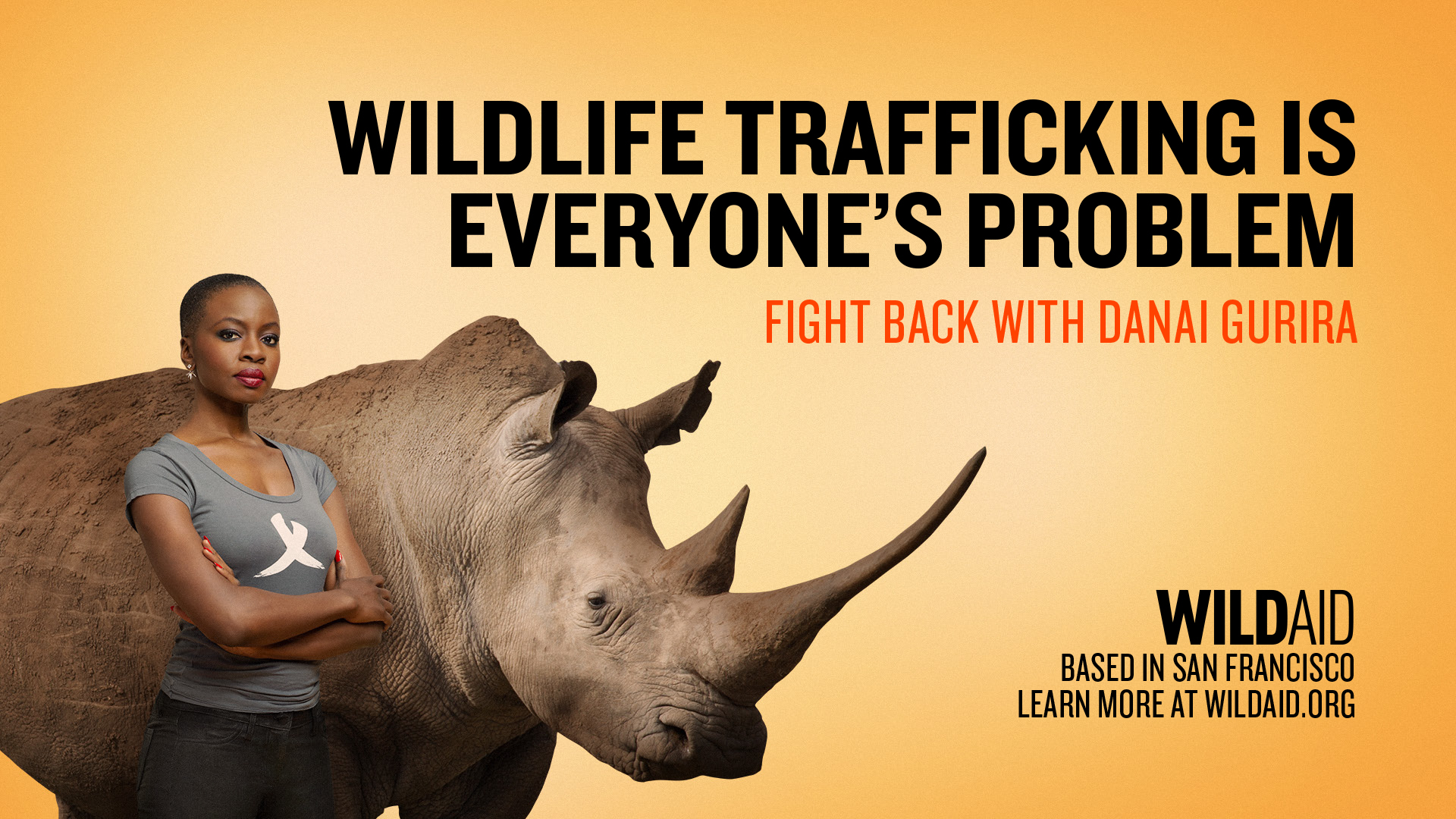
Davido became part of WildAid’s Nigerian conservation work alongside other leading cultural and public figures, helping bring issues including illegal bushmeat consumption, wildlife trafficking, lions, pangolins and the wider disappearance of Nigeria’s wildlife into mainstream public conversation. WildAid’s approach extended far beyond placing a celebrity beside a logo.
Its work combined television films, radio, digital media, outdoor campaigns, documentary storytelling, behaviour-change communication, government partnerships, conservation expertise and media distribution. Celebrity supplied something every cause competes for: attention.
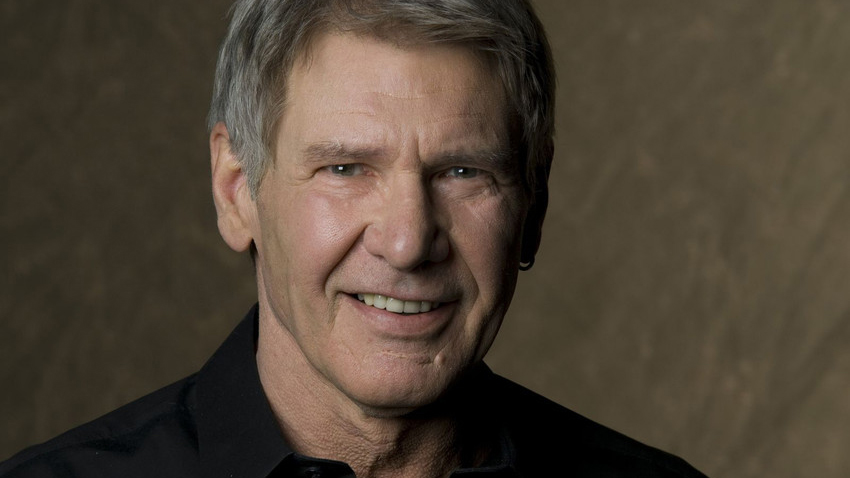
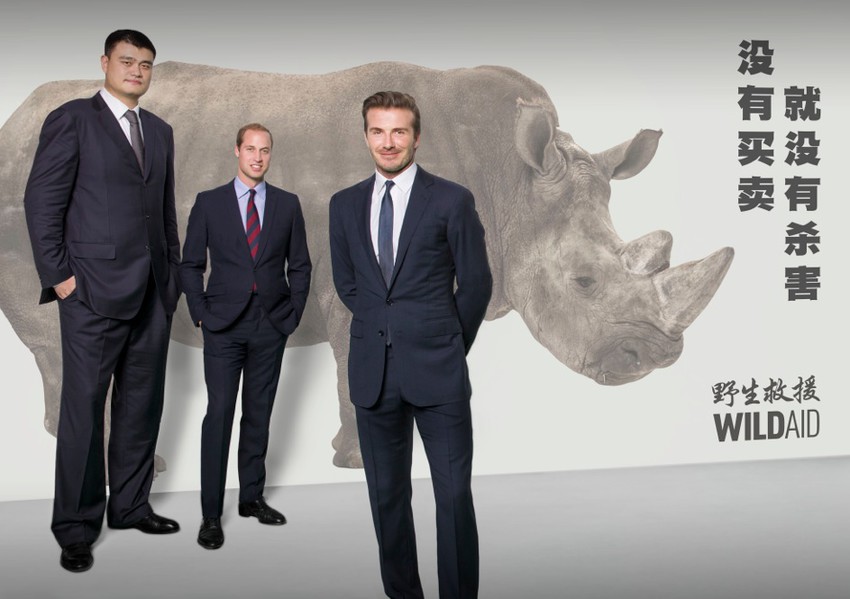
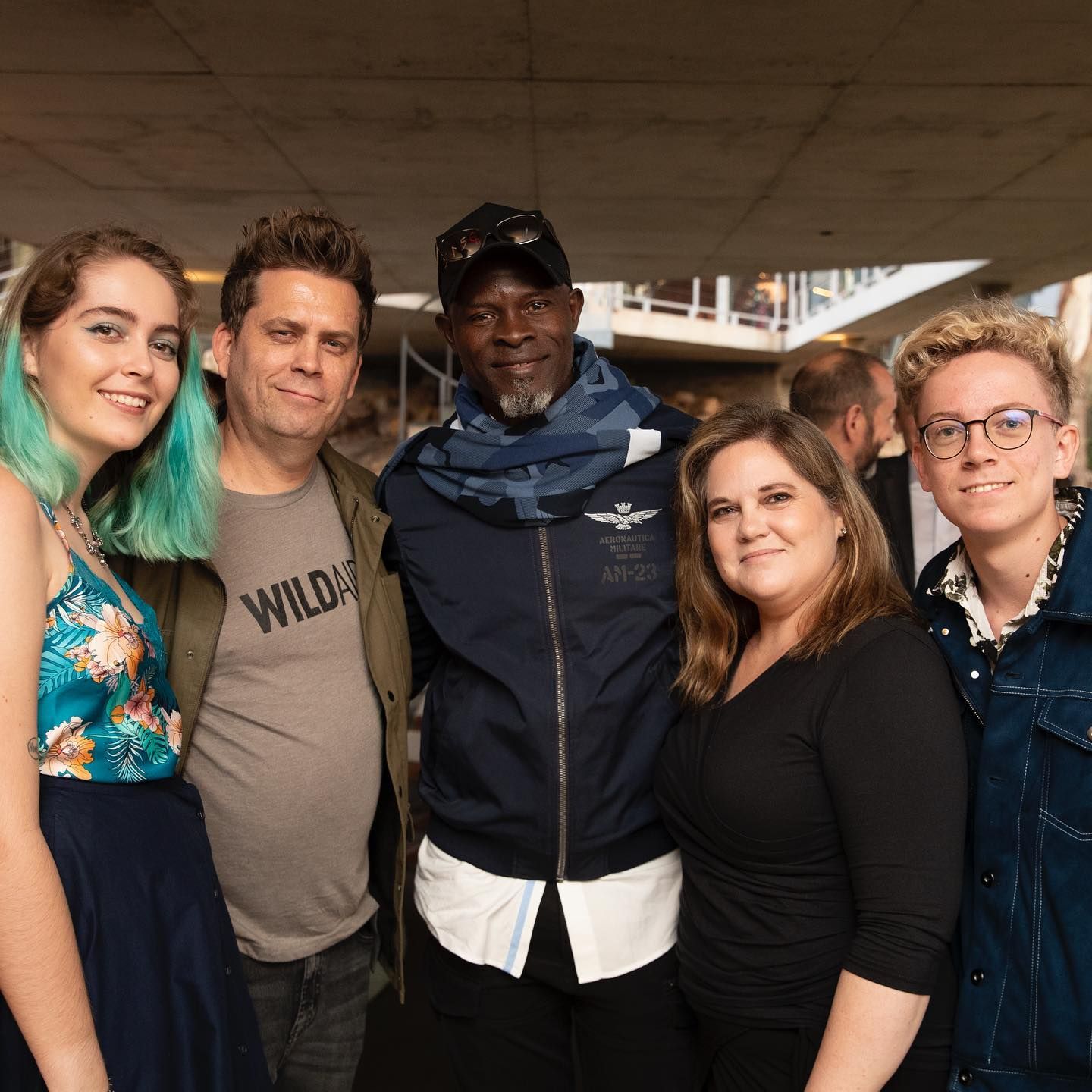
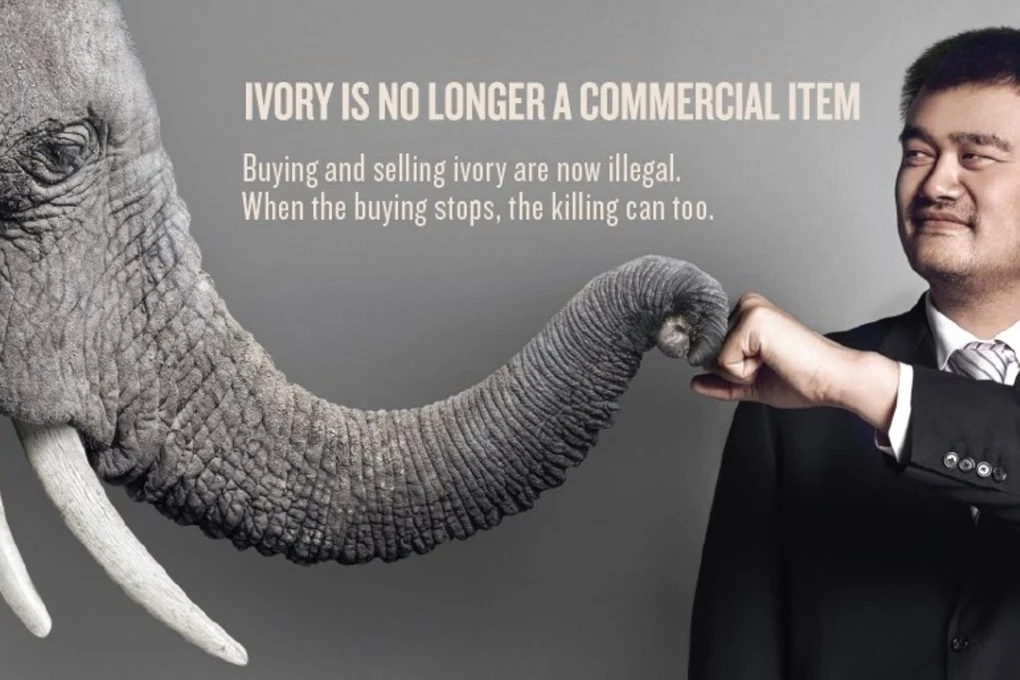
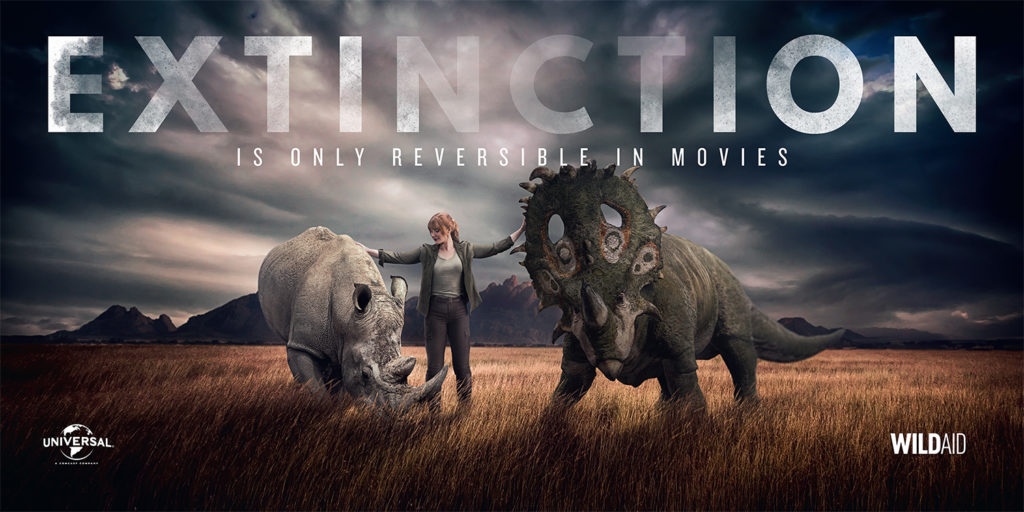
WildAid had spent years proving how powerful that formula could become by building an extraordinary global ambassador and campaign network around some of the most recognisable personalities on Earth, including Leonardo DiCaprio, Harrison Ford, HRH Prince William, David Beckham, Sir Richard Branson, Arnold Schwarzenegger, Jane Goodall, Jackie Chan, Lupita Nyong’o, Djimon Hounsou, Ralph Fiennes, Edward Norton, Jeremy Renner, Bryce Dallas Howard, Maggie Q, Minnie Driver, Josh Duhamel, Danai Gurira, Norman Reedus, Amitabh Bachchan, Lang Lang, Yao Ming, Eliud Kipchoge, Pau Gasol, Tyson Chandler, Joakim Noah, Al Horford, Tendai Mtawarira and many others.
.jpg)

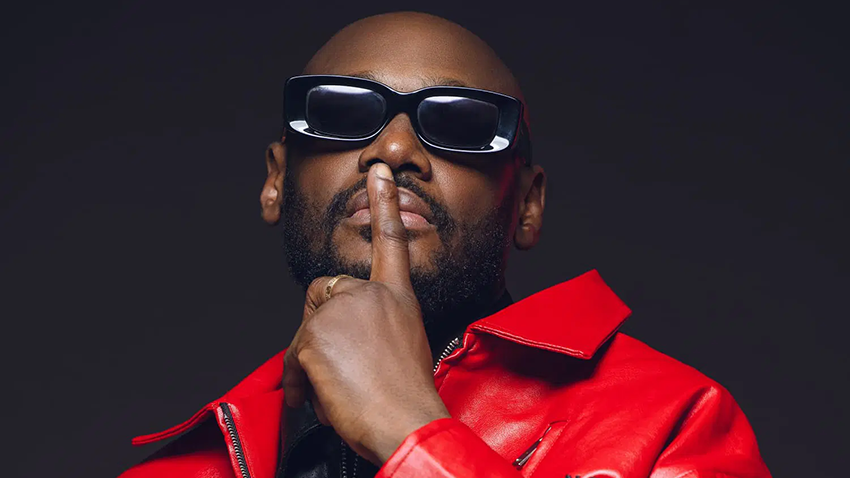
Across Africa, that cultural conservation universe increasingly expanded through major music and entertainment figures including Davido, 2Baba, Focalistic, Musa Keys, Kamo Mphela, CKay, Shekhinah, Vinka, Azawi, Ferre Gola, Harmonize, Anita Jaxson, Mayorkun, Selmor Mtukudzi, Ben Pol, Bruce Melodie, Winnie Nwagi, Aslay, Karun, Nviiri, H_art The Band, Karina Barbosa, Locko, Mimie, Krys M, Joyous Celebration and Karun, among hundreds of personalities lending influence to wildlife and environmental causes.
Different cultures and different audiences could converge around one shared idea: attention can become action.
That philosophy also became part of the world we were building through Wild Defenders and its central message:
NATURE IS LIFE. DEFEND THE WILD.
Davido belonged naturally inside that world.
The artist I had first met playing unreleased music in Johannesburg had built one of the most powerful cultural platforms ever created by an African musician. Now that platform could speak for something beyond music.
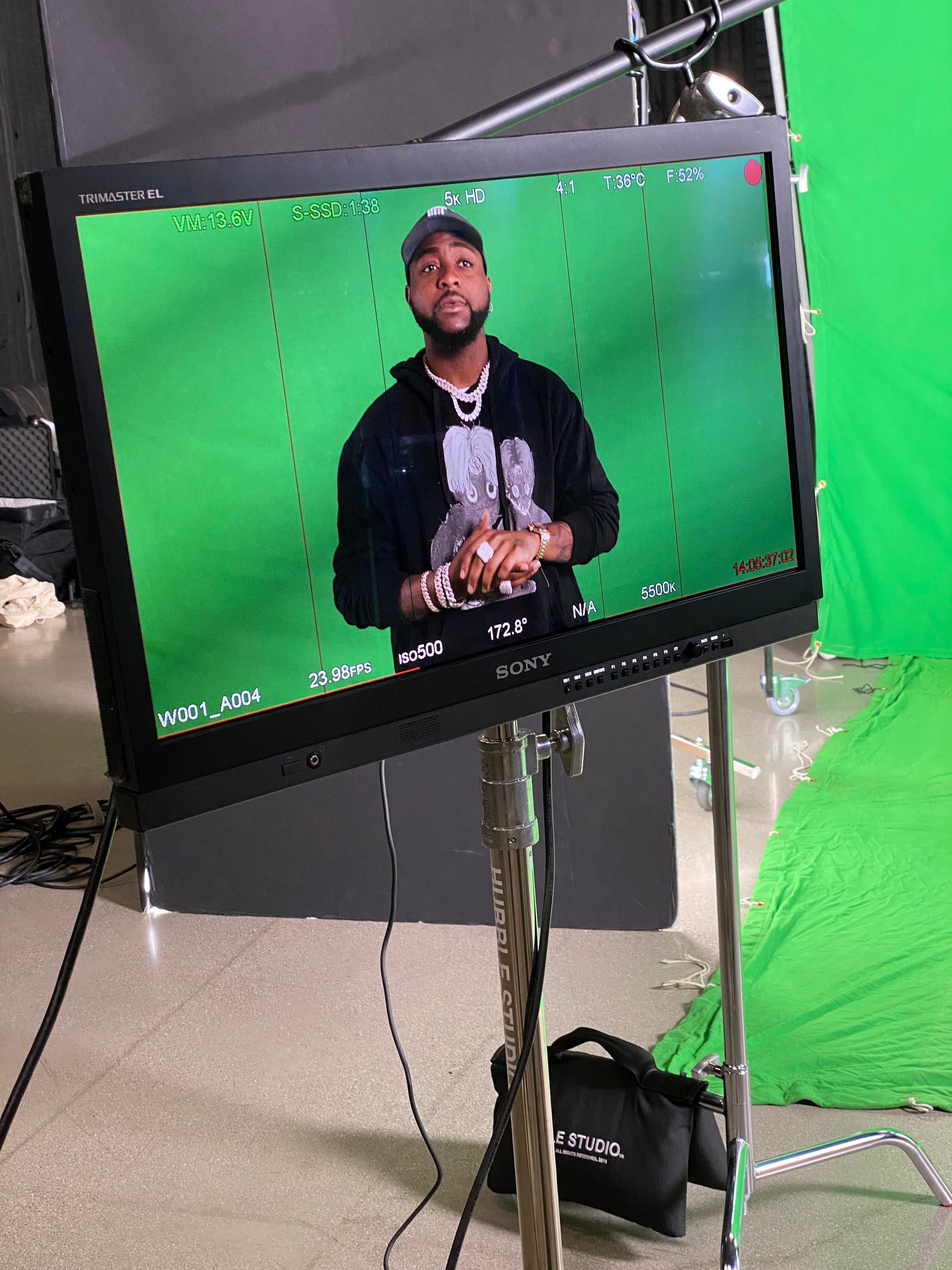
Davido walked onto a Los Angeles set filmed by a photographer and DOP whose camera had framed Hollywood royalty, Marvel superheroes and some of the biggest entertainment franchises on Earth, but this time we were not selling a movie. We were defending the wild.
When the Los Angeles window finally opened, we wanted the visual language of the production to carry the same scale as the artist and the mission.
The man behind the camera was Michael Muller.
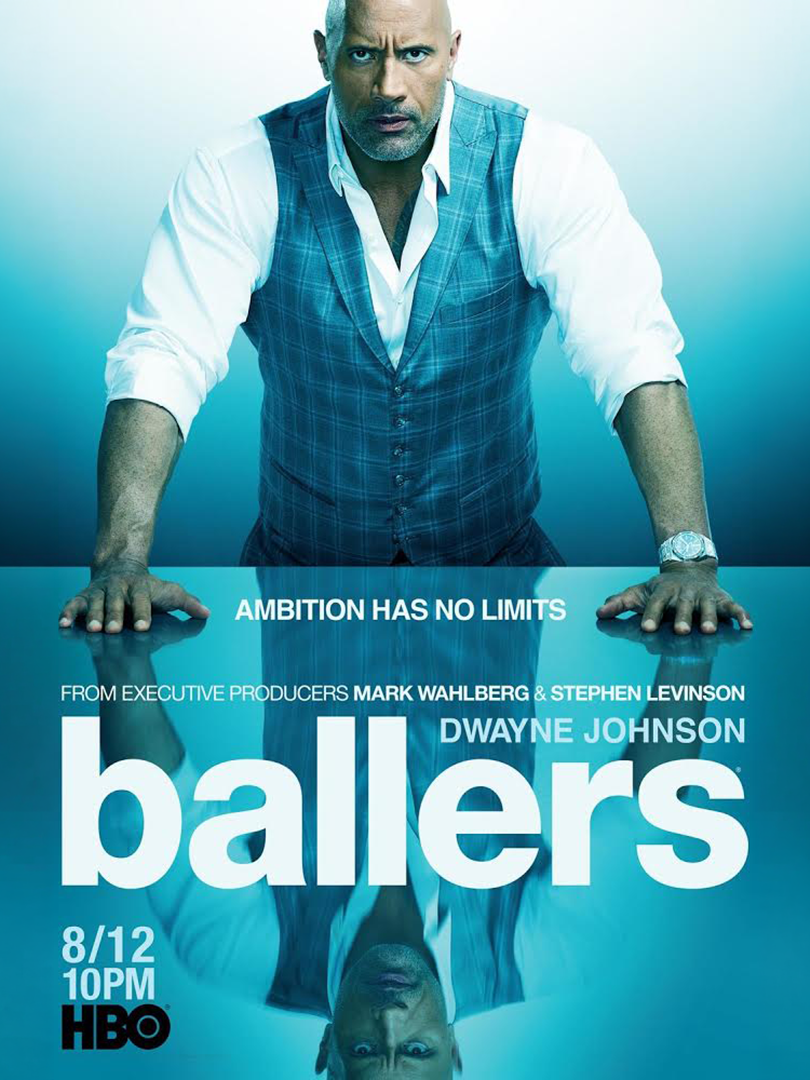
Michael is not simply a photographer. He is one of the elite image-makers who helped construct the modern visual language of Hollywood. He has photographed some of the most recognisable people on the planet, including Leonardo DiCaprio, Tom Holland, Brad Pitt, Robert Downey Jr., Scarlett Johansson, Denzel Washington, Dwayne Johnson, Joaquin Phoenix, Hugh Jackman, Lewis Hamilton, Gwyneth Paltrow, Jeff Bridges, Kobe Bryant, Rihanna, Lil Wayne, Michael Phelps and Manny Pacquiao, alongside a long list of major stars from film, music and sport.
His photography has appeared across Vanity Fair, Rolling Stone, Harper’s Bazaar, Elle, Esquire, Interview and The New York Times Magazine. Yet millions of people who may never have known Michael Muller’s name have almost certainly seen his work because he became one of Hollywood’s leading key-art photographers, the highly specialised image-makers responsible for creating the principal photography from which some of the world’s biggest film campaigns are built. These are the images that become theatrical posters, giant billboards, international one-sheets, cinema wraps and the visual identity that introduces a blockbuster to hundreds of millions of people around the world. Michael worked at the absolute top of that universe.
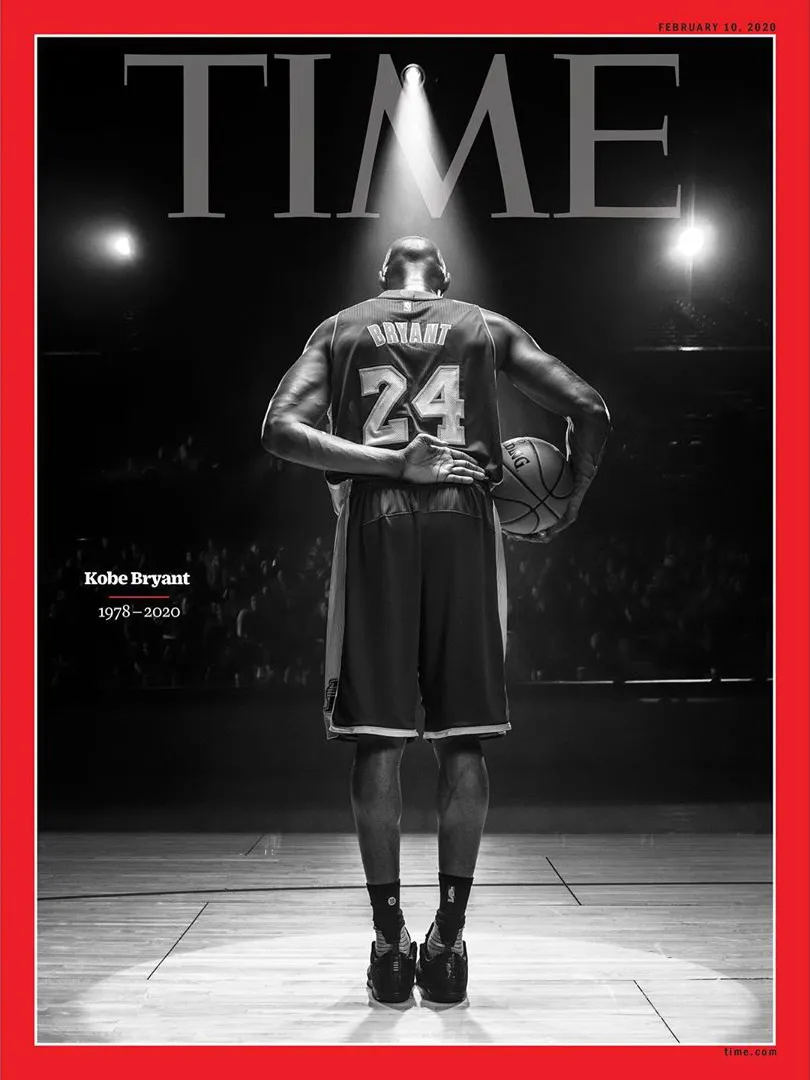
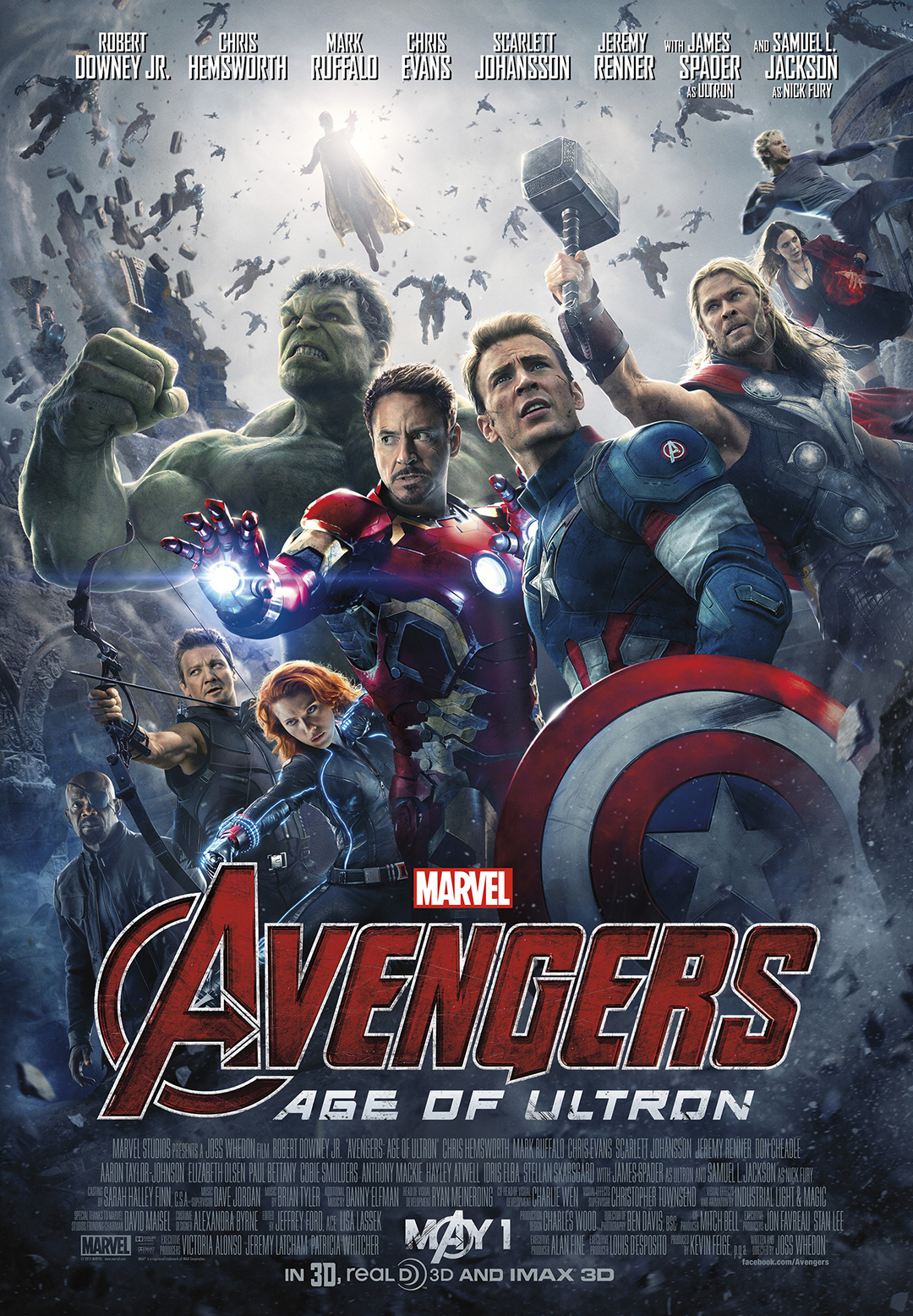
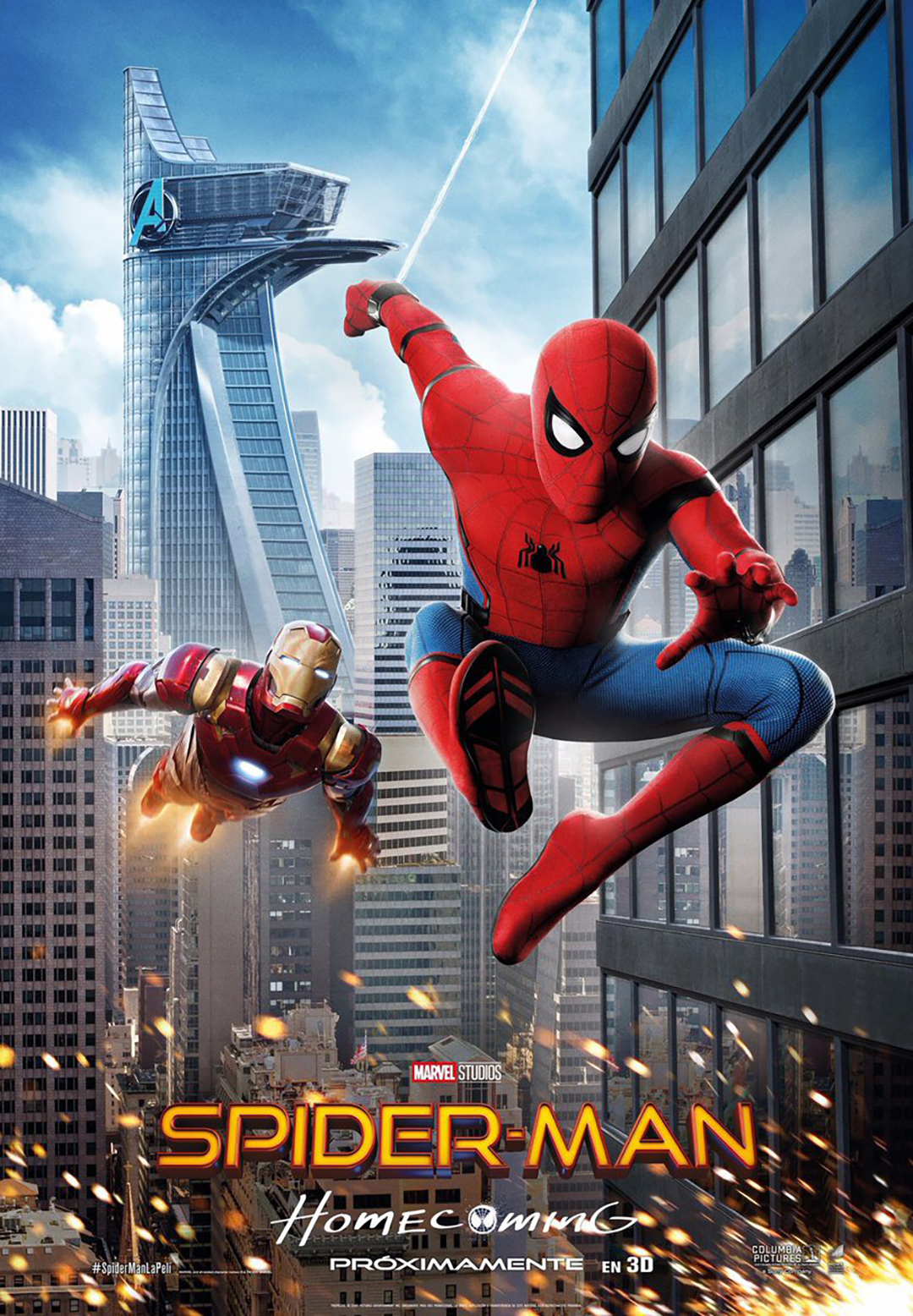
His portfolio includes imagery connected to all of the Iron Man films, The Avengers, Spider-Man, X-Men, Captain America: The Winter Soldier, Captain America: Civil War, Guardians of the Galaxy, Hancock, Inherent Vice, Spring Breakers, Tower Heist and numerous other major Hollywood productions.
The scale of those properties speaks for itself: Iron Man, The Avengers, Captain America, Spider-Man, X-Men and Guardians of the Galaxy, some of the most valuable and globally recognisable entertainment franchises of the modern era, with Marvel superheroes and Hollywood icons whose faces have dominated cinema screens and billboards across the planet.
Michael’s commercial world was equally formidable, with work connected to brands including Nike, Range Rover, Samsung, Oakley, Reebok, Converse and Speedo.
His transition into moving-image direction took him into another iconic creative institution, RSA Films, the production company founded by legendary filmmakers Ridley Scott and Tony Scott.
That was the visual pedigree coming into our Davido production.
And yet Michael’s Hollywood career tells only half his story, because the photographer who spent years creating images of movie stars and superheroes eventually carried the same visual philosophy somewhere few people expected: underwater.
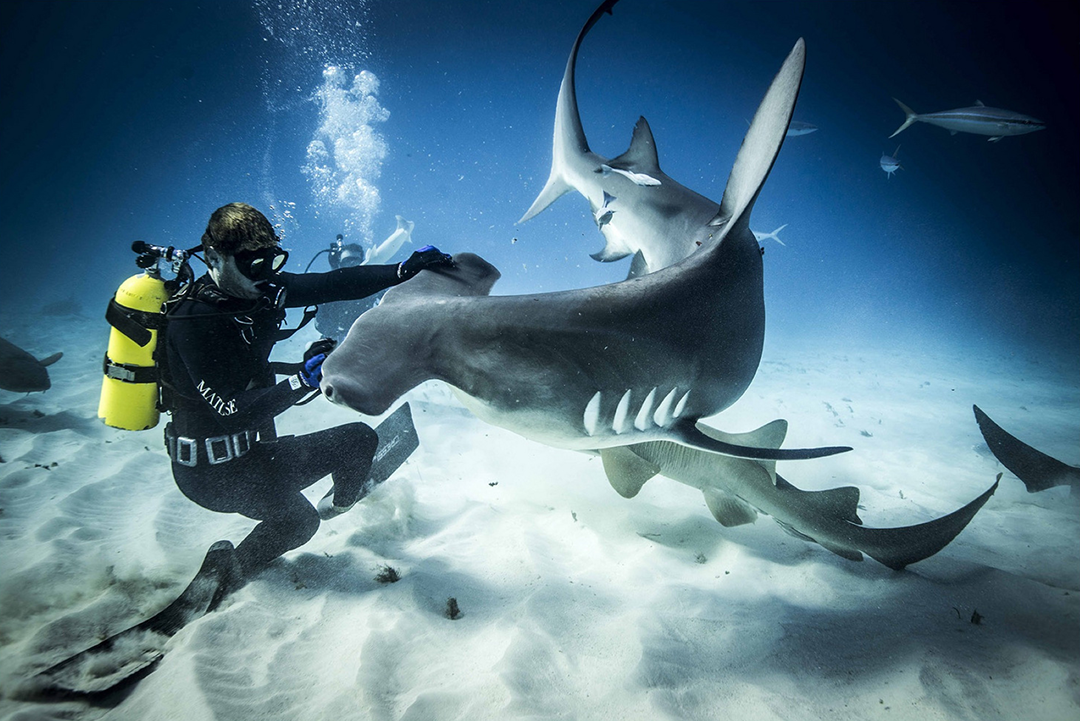
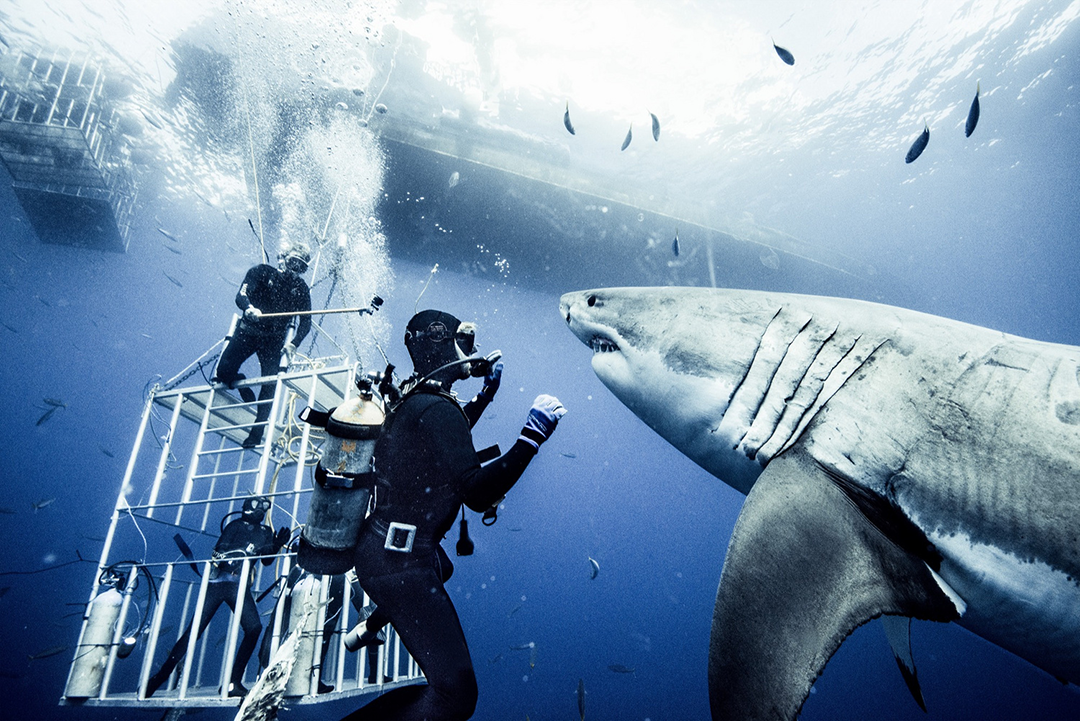
Michael began with a beautifully simple creative question: what would happen if you photographed a great white shark with the same visual care, lighting and dignity you gave Iron Man? Not as a distant animal. Not as a monster. As a portrait.
He began carrying Hollywood lighting principles beneath the ocean.
When the technology he needed did not exist, he developed specialised underwater lighting capable of creating the controlled, dramatic illumination normally associated with a commercial studio. Then he took that visual system into the wild.
Great whites, hammerheads, oceanic whitetips, blacktips and lemon sharks emerged through his lens not simply as predators but as individuals: powerful, beautiful and vulnerable.
His extraordinary underwater work eventually became the monumental TASCHEN publication Michael Muller. Sharks: Face-to-Face with the Ocean’s Endangered Predator, Built from years of expeditions and including what has been identified as the first-known photograph of a great white shark breaching at night.
There was something almost perfect about the evolution. Michael had spent his commercial career understanding how to make audiences stop and look.
Now he began asking whether those same visual instincts could make people stop and care.
After decades creating imagery capable of helping sell some of the biggest films, stars and brands in the world, the creative challenge became whether those same skills could help make people feel that the planet itself was worth defending.
That made Michael’s longstanding relationship with WildAid completely natural. He understands celebrity, cinema, advertising, spectacle and wildlife, and very few image-makers move between those worlds with the same fluency.
So when Davido stepped onto the Los Angeles set, several worlds collided at once: one of Africa’s biggest global music stars, one of Hollywood’s elite celebrity and entertainment image-makers, and one of the world’s most influential wildlife conservation organisations.
Seven had done the essential work of bringing Davido onboard and working through the relationship with Asa and his team. We had navigated the international scheduling and production puzzle.
Michael and his collaborators had created the visual environment.
Then Davido walked onto set.
I remember thinking about Johannesburg. The nineteen-year-old I had first met playing unreleased music in a Sony Music basement was now standing in front of a man whose camera had photographed Hollywood royalty, sporting legends, Marvel superheroes and some of the biggest entertainment properties on Earth.
But nobody was launching a blockbuster, promoting an album or selling a luxury product.
We were talking about Africa’s wildlife.
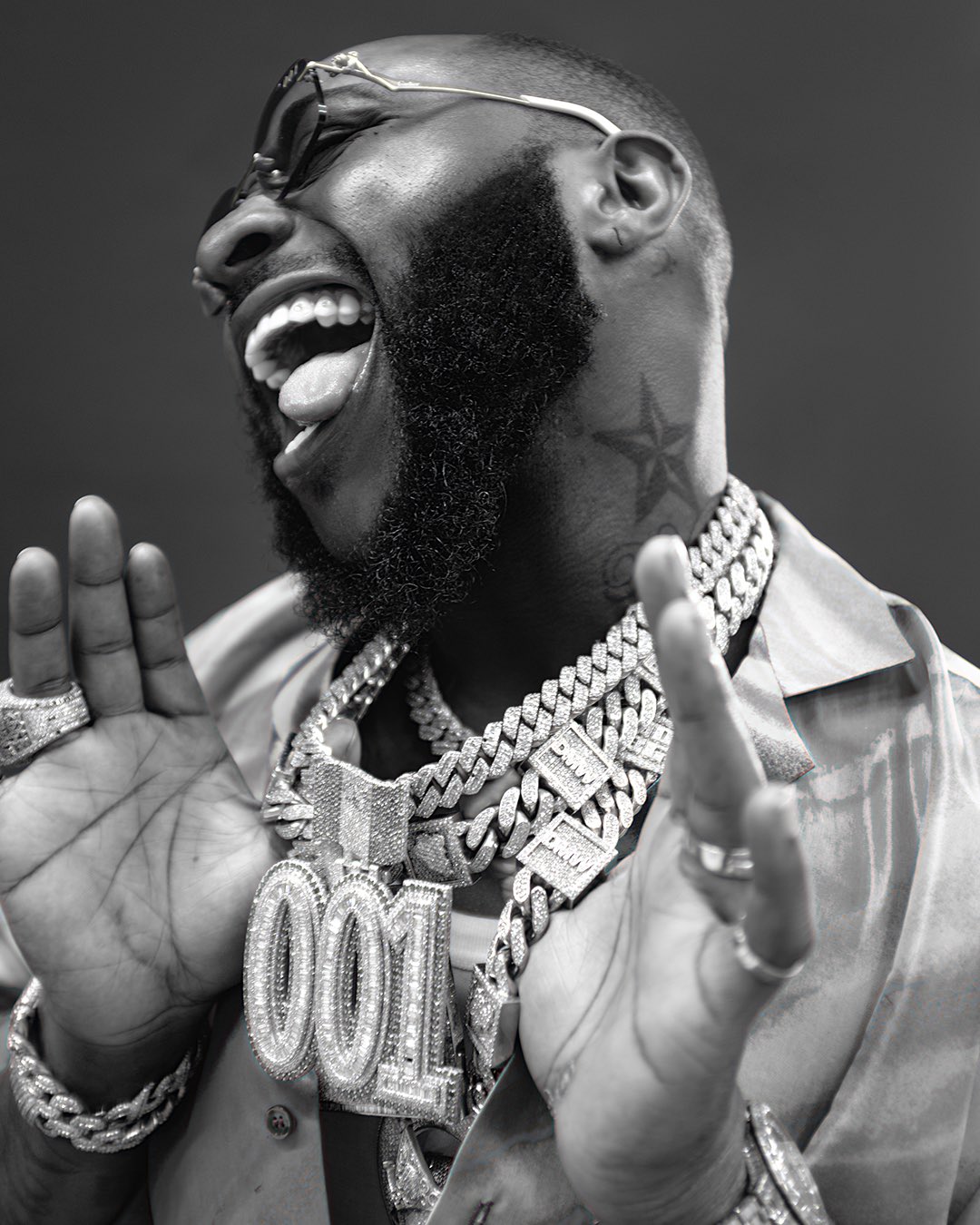
The dream had happened. Davido had become one of Africa’s biggest music stars ever and one of the continent’s most globally recognisable cultural figures.
He had made the records, played the stages, built the audience and helped define an extraordinary era in the global rise of African music.
Yet the reason we had brought him into that Los Angeles studio was no longer about what the world could give Davido. It was about what Davido’s influence could give back to Africa’s lions, its pangolins, its disappearing wildlife and its natural heritage.
There was something beautifully circular in standing there years after the Johannesburg basement. The first time I met Davido, his story was still expanding outward into the world.
By Los Angeles, the platform was already global, and our conversation was about where some of that influence could travel next.
At the beginning of a career, an artist fights to be heard. Then millions begin listening. Eventually the question becomes what can be done with all that attention.
The companies changed, the rooms changed and the scale changed, but the relationships kept opening into larger stages, from D’banj and MTV to Sony and AFCON, from Davido in that basement to New York, and eventually from superstardom into legacy.
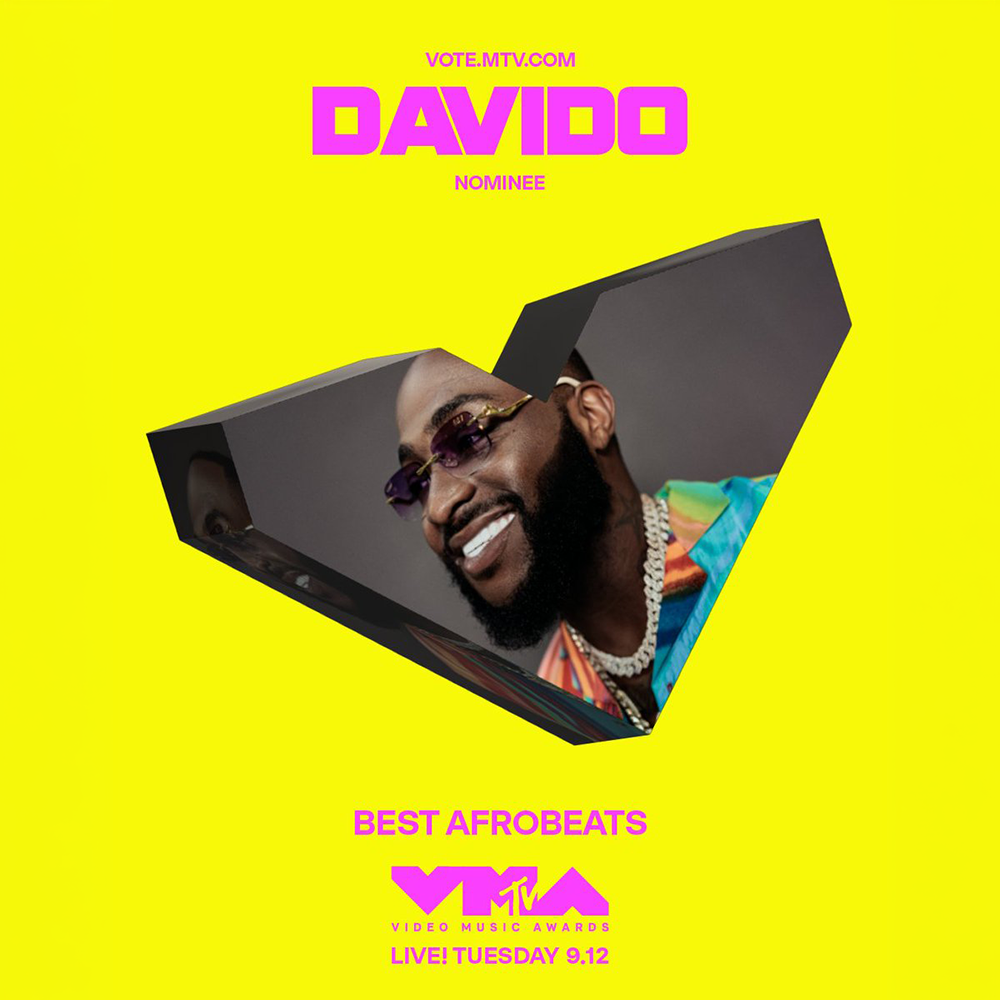
When I look back across this entire journey, I do not see one institutional story. I see chapters connected by people, trust and moments when the right relationship met the right opportunity. MTV was one chapter. It was where I first worked with D’banj, where we argued about the bed, where the Koko Master became a continental personality and where I watched him move from Nigerian star into Pan-African superstar. That chapter ended when I left MTV in 2010.
Then came my independent work: Vodafone 020 Live, the continuing relationship with D’banj, bringing him into Sony Music, the Johannesburg sessions, the Rolex, AFCON and Soccer City. His journey would eventually encompass seven major MTV wins, G.O.O.D. Music, Sony Music, a UK Top 10 hit and some of the largest stages on the continent.
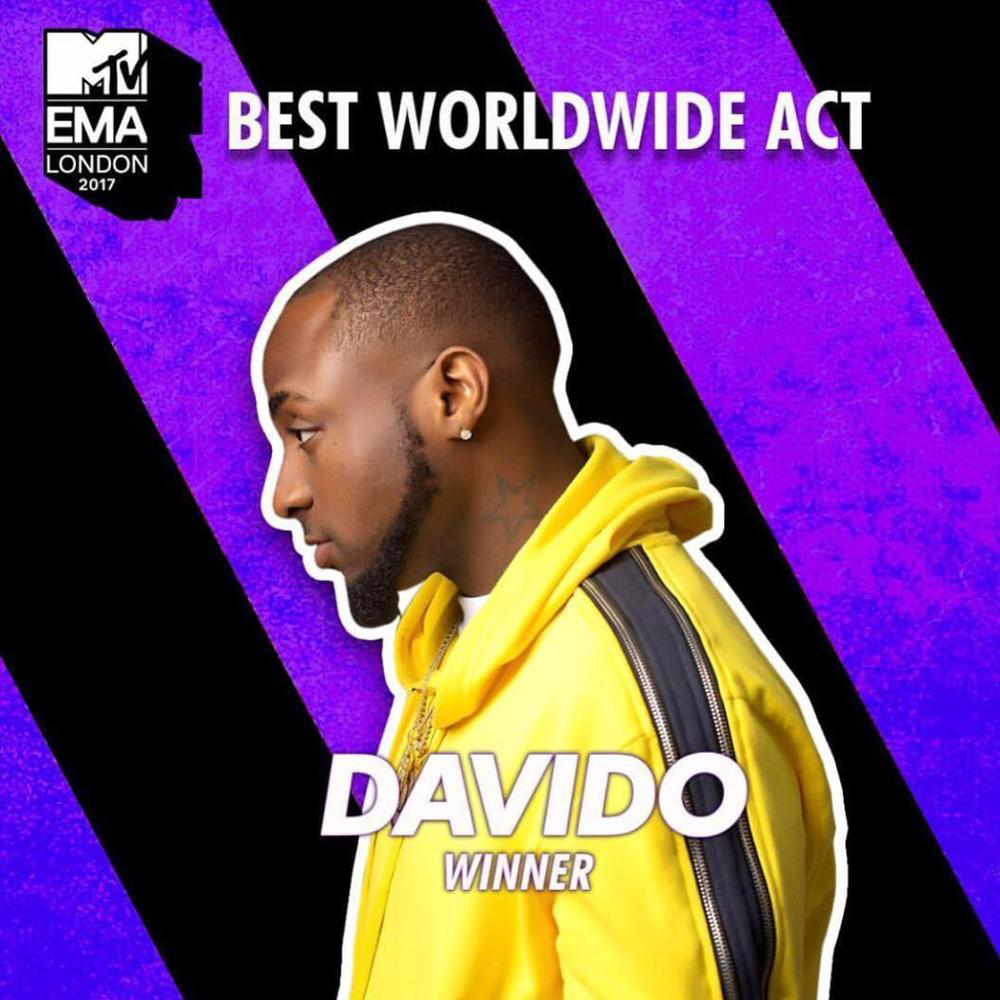
The next Sony chapter began almost invisibly in that same basement when D’banj introduced me to Davido. It grew from an introduction into conversations, from conversations into a relationship with Sony Music Africa and eventually into a global agreement in New York, shaped along the way by Davido’s own relentless momentum, Asa and his team, and Sony’s African and international leadership.
Years later another chapter opened through my agency and my partnership with Seven, carrying the relationship with Davido into WildAid, Wild Defenders, Los Angeles and Michael Muller. The smallest moments sometimes remain the ones I remember most clearly. Sometimes those small moments become the most significant, sometimes its the anchor around many key moments around it.
I remember the old Sony Music Entertainment offices in Johannesburg, walking downstairs into the basement studio, D’banj recording, the beats, the laughter and people dancing. I remember D’banj introducing me to Davido for the first time, and I remember the extraordinary energy of that nineteen-year-old young man. I remember a several Rolex's.
Davido was already a big star, already on fire in Nigeria and already carrying serious Pan-African momentum, but he was standing at the edge of something much larger. The dreams were enormous. The vision was enormous. The music extremely powerful, the power to make those dreams come true. D’banj saw it. There were Rolex's There were handshakes. There was a lot of music and energy and a big club night that followed at Taboo in Sandton. Inside that studio nothing formal was signed. If there was it's someone else's story to tell. Some things stay in the studio. Davido would later say nothing was. There was a lot of energy and celebration in the studio, and some announcements was made about a rolex's. But that was not the most important, that moment was one superstar from one era had recognised another from the next era.
Not long thereafter, D’banj would have inked a deal with Sony Music Entertainment, signed an official soundtrack theme song for Afcon with SuperSport, and standing inside Soccer City at AFCON performing “Top of the World” before Nigeria became champions as the headline acrt for the official closing ceremony of the African continent's biggest continental football tournament.
Four years later, Sony Music would announce Davido’s worldwide agreement in New York.
Years later still, Seven and I would produce a global campaign with Davido in Los Angeles, the leading global sustainability and conservation organization WildAid and Michael Muller, a photographer whose career had travelled from Hollywood royalty and Marvel superheroes to great white sharks and conservation, asking that same artist to place his own global cultural power behind protecting Africa’s wildlife, for future generations.
Looking back, the thread running through all of it is not one company or one title. It is the chain of relationships, creative conviction and moments of connection that kept opening into larger stages: from D’banj and MTV, to Sony Music and AFCON; from meeting Davido in that basement, to Sony Music Africa and New York; and eventually from global music superstardom into conservation and legacy.
Different years, different rooms and different stages of all our lives, connected by one extraordinary continuum of music, ambition, Africa, influence and legacy.
And somewhere near the beginning of one of those journeys, before the global contracts, giant stages, conservation campaigns and everything that followed, there was simply a basement in Johannesburg, music playing loudly, people dancing, a nineteen-year-old dreaming impossibly big, a handshake and a gold Rolex.
THE DAY D’BANJ SIGNED DAVIDO WITH A ROLEX
Written & Recounted by: Jandré Louw
Based on Firsthand Recollections, Personal Experience & Historical Record
Featuring: D’banj, Davido, Christine “Seven” Mosha, Asa Asika, Michael Muller
Key Organisations & Platforms Referenced:
MTV Networks Africa
Sony Music Entertainment Africa
Sony Music Entertainment
CAF / Africa Cup of Nations
Vodafone Ghana
WildAid
Wild Defenders
Locations:
Lagos, Accra, Johannesburg, Soccer City / FNB Stadium, New York, Los Angeles
Historical Context & Research: Contemporary music-industry reporting, artist interviews, award records, Sony Music announcements, CAF / AFCON records, WildAid archives and firsthand recollection.
Christine “Seven” Mosha
Agency Partner • Music Executive • Former Sony Music East Africa Leadership
Close business and agency partner whose extensive relationships across the African music industry, Sony Music ecosystem and Davido’s team were instrumental in securing Davido’s participation in the WildAid conservation campaign and coordinating with longtime manager Asa Asika and the wider artist team.
Michael Muller
Photographer • Director • Filmmaker • Conservation Storyteller
Acclaimed Hollywood photographer and director whose subjects include Leonardo DiCaprio, Brad Pitt, Robert Downey Jr., Scarlett Johansson, Joaquin Phoenix, Hugh Jackman, Kobe Bryant, Rihanna and other global icons. His entertainment work spans major franchises including Iron Man, The Avengers, Captain America, Spider-Man, X-Men and Guardians of the Galaxy, alongside directing work associated with Ridley and Tony Scott’s RSA Films. A longtime WildAid collaborator and celebrated underwater wildlife photographer, Muller directed and photographed the Los Angeles shoot with Davido.
Senior Executive Credits
Jandré Louw
Executive Producer • Creative Director • Music & Entertainment Industry Executive • Cultural Strategist.
Founding MTV Networks Africa launch-team executive and former Head of Events, Creative, Digital & Marketing — MTV Africa.
D’banj — Key Chapters
Produced and creatively directed early defining MTV live platforms during D’banj’s rise from Nigerian breakout star into Pan-African superstardom; worked across the MTV era that would see D’banj accumulate seven major MTV awards, including two MTV EMA Best African Act titles and multiple MTV Africa Music Awards. Following departure from MTV in 2010, continued the relationship independently, including work around Vodafone 020 Live, introducing D’banj to Sony Music Entertainment and helping bridge the relationship that developed into his Sony agreement, and setting up and confirming D’banj’s marquee performance at the official 2013 Africa Cup of Nations closing ceremony at Soccer City in Johannesburg, with Sony Music Africa leadership instrumental in helping secure the opportunity.
Davido — Key Chapters
First met Davido in 2012 when D’banj introduced them inside the basement recording studio of Sony Music Entertainment’s former Johannesburg offices. Subsequently introduced Davido into Sony Music Entertainment and helped bridge the early relationship between Davido and Sony Music Africa, before Sony’s African leadership developed and escalated the opportunity through the global organisation into the groundbreaking worldwide agreement ultimately signed in New York in 2016. Years later, reconnected with Davido through conservation work with WildAid and Wild Defenders, alongside business partner Christine “Seven” Mosha, bringing Davido into a major wildlife-conservation campaign filmed in Los Angeles with acclaimed Hollywood photographer and director Michael Muller.
Asa Asika
Davido — Longtime Manager
A central figure in the development, management and international growth of Davido’s career, working across the artist’s evolution from his earliest HKN years into global superstardom.
Photography Note: All photographs reproduced in this publication originate from original images taken at the time of the events depicted. Some source files are small or of very limited or low resolution because they were captured many years ago using early-generation Nokia, Motorola and BlackBerry mobile handsets, whose cameras had significantly lower image-quality and resolution capabilities than those available today. Where necessary, selected photographs have been enlarged, upscaled, depixelated and resolution-enhanced to improve clarity and presentation. AI-assisted tools were used solely for these technical restoration and display purposes. No people, objects, settings or material visual content were added, removed or generatively altered; the photographs remain faithful to the original moments as they were captured as the actual photographs.